If you have ever opened a bag of coffee, taken a deep breath, and thought, “Huh, this doesn’t smell like much,” you already know freshness matters. So how long does coffee stay fresh after roasting? The short version: a lot less time than the grocery store shelf would have you believe. The longer version is worth knowing, because once you understand what is actually happening inside those beans, you can get a noticeably better cup out of every bag you buy.
Here in the Ozarks, we roast coffee with one goal in mind: that the cup you pour at your kitchen table tastes the way it was meant to. That only happens when you know how to read a bag, when to brew it, and how to keep it from going flat. Let’s walk through all of it, plain and simple.
Quick Answer: Whole bean coffee generally stays at its freshest for about 2 to 4 weeks after the roast date, once it has rested a few days to degas. Ground coffee loses flavor much faster, often within 15 to 30 minutes of grinding at its peak and noticeably within a week or two. Coffee doesn’t really “go bad” in a dangerous way, but it does go stale.
Why Freshness Matters More Than Most People Think
Coffee is a roasted agricultural product. Before it hits the roaster, a green coffee bean is dense, grassy, and pretty stable. It can sit in a burlap or lined sack for months without much trouble. Roasting changes everything.
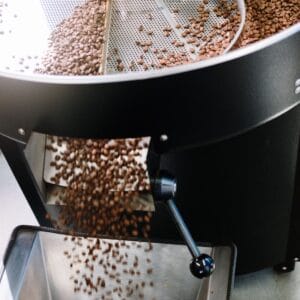
In the roaster, heat drives off moisture, caramelizes sugars, and kicks off a whole string of chemical reactions that build hundreds of aromatic compounds. Those compounds are what give you notes like chocolate, berry, caramel, citrus, or toasted nut. They are also fragile. The moment roasting ends, the clock starts ticking.
Think of it like fresh bread. A loaf pulled from the oven this morning is incredible. By tomorrow, it is still fine. By next week, it is technically edible but nobody is bragging about it. Coffee follows a similar arc, just with a slightly longer runway.
Here is what freshness actually affects in your cup:
- Aroma. Most of what we call “flavor” is really smell. Stale coffee loses its aroma first.
- Sweetness and complexity. Fresh coffee tastes layered. Old coffee tastes one-note, usually bitter or papery.
- Body and mouthfeel. Fresh coffee tends to feel richer and rounder.
- Crema and bloom. Fresh beans release carbon dioxide, which shows up as a lively bloom in a pour-over or crema on espresso.
When people say they “don’t like black coffee,” a lot of the time what they really don’t like is stale coffee. Fresh coffee brewed well is a different animal.
How Long Does Coffee Stay Fresh? The Real Timeline
Let’s get specific. The answer to how long does coffee stay fresh depends mostly on one thing: whether it is still whole bean or already ground. After that, storage and roast level fine-tune the picture.
The ranges below are general guidelines, not hard rules. Different coffees, roast levels, and packaging will shift things a bit in either direction.
Whole Bean Coffee
Whole beans are the best way to hold onto freshness because the bean itself acts like a protective shell. Most of the flavorful oils and aromatic compounds are locked inside the cell structure of the bean.
A reasonable timeline for whole bean coffee stored properly looks like this:
- Days 0 to 3: Very fresh. The beans are still releasing a lot of carbon dioxide. Flavor can taste a little sharp or muted, and brewing can be uneven.
- Days 4 to 14: The sweet spot for many brew methods. Flavors open up and settle in.
- Weeks 2 to 4: Still very good. Most people won’t notice much decline if the bag has been sealed and kept cool and dark.
- Weeks 4 to 6: A gradual fade. The coffee is fine to drink, but the brightest notes start to soften.
- After 6 to 8 weeks: Noticeably flatter. Still safe, just not what it used to be.
So when someone asks how long do coffee beans last, the honest answer is that they “last” for months, but they are at their best for roughly the first month after roasting.
Ground Coffee
Grinding coffee is like cracking open a sealed jar. You take a bean with a small surface area and turn it into thousands of tiny particles, each one exposed to air. That speeds up everything that makes coffee go stale.
Ground coffee shelf life is short:
- First 15 to 30 minutes: Peak aroma. This is why grinding right before brewing makes such a difference.
- First few days: Still decent if stored airtight, but losing aroma steadily.
- One to two weeks: Noticeably duller.
- Beyond that: Flat, often with a cardboard or papery taste.
If you buy pre-ground coffee, that’s okay. Plenty of good mornings start that way. Just buy smaller amounts more often and seal the bag tight. If you are ready to grind at home, even an inexpensive burr grinder is one of the biggest upgrades you can make. Our coffee grind size chart will help you dial it in for your brewer.
Brewed Coffee
Brewed coffee is the least stable of all. On a hot plate, it starts turning bitter and sour within about 20 to 30 minutes as it keeps “cooking.” In an insulated thermal carafe, it holds up better, usually a couple of hours before the flavor really drops.
Cold brew is the exception. Stored in a sealed container in the fridge, cold brew concentrate usually stays tasty for about a week to ten days, though it’s best in the first several days.
Quick Reference: Coffee Freshness at a Glance
Here’s a simple table you can come back to any time you’re wondering how long does coffee stay fresh in a given form. Again, these are general guidelines for well-stored coffee.
| Coffee Type | Peak Flavor Window | Still Good to Drink | Best Storage |
|---|---|---|---|
| Whole bean (sealed bag, valve) | About 4–14 days after roast | Up to 4–6 weeks | Airtight, cool, dark cupboard |
| Whole bean (opened) | 1–3 weeks after opening | Up to about a month | Airtight container, away from light and heat |
| Ground coffee | Minutes to a few days | 1–2 weeks | Airtight, used quickly |
| Whole bean (frozen properly) | Holds close to freeze-day quality | Several months | Sealed, portioned, thaw once |
| Brewed coffee (hot plate) | First 20–30 minutes | A couple of hours | Thermal carafe, not a burner |
| Cold brew concentrate | First 3–5 days | About 7–10 days | Sealed jar in fridge |
The Coffee Roast Date: Your Best Freshness Tool
If there’s one habit that will change your coffee game, it’s this: always look for the coffee roast date.
A lot of coffee on grocery store shelves only lists a “best by” date. That date is often set a year or more out from roasting. It tells you when the coffee is still technically sellable, not when it will taste good. By the time many of those bags reach your kitchen, they may already be months past their prime.
A roast date tells you exactly when the clock started. With it, you can plan when to brew and know what to expect.
How to Read Coffee Bag Dates
Here are the common labels you’ll see and what they really mean:
- Roast date / Roasted on: The most useful. This is the day the coffee came out of the roaster.
- Best by / Best before: A shelf-life estimate. Without a roast date, you have no idea how old the coffee actually is.
- Packed on: Sometimes close to the roast date, sometimes not. It depends on the roaster.
- Lot or batch codes: Occasionally hide a date in a code format. Not much help to the average buyer.
When you shop, a good rule is to pick coffee roasted within the last couple of weeks, and to buy only what you will use in the next three to four weeks. That’s the simplest way to make sure you’re drinking coffee at its best. You can browse what we’ve got roasted and ready in our shop.
What About That Little Valve on the Bag?
Many coffee bags have a small round plastic valve on the front. That’s a one-way degassing valve. It lets carbon dioxide escape from inside the bag without letting outside air back in.
It exists because freshly roasted coffee is still releasing gas. Without a valve, the bag could puff up or even pop. With one, roasters can seal coffee soon after roasting and keep oxygen out. And yes, squeezing the bag and sniffing the valve is a time-honored tradition. It’s a quick way to get a hint of the aroma.
Coffee Degassing: Why “Too Fresh” Is a Real Thing
Here’s something that surprises folks: coffee can actually be too fresh to brew at its best.
During roasting, a lot of carbon dioxide forms inside the beans. After roasting, that gas slowly works its way out. This process is called coffee degassing, and it matters for how your coffee brews. We cover it in more detail in our guide to what coffee degassing is, but here’s the gist.
When beans are just a day or two off the roast, they are loaded with CO2. When hot water hits them, that gas rushes out and can push water away from the grounds. The result can be uneven extraction, a sour or sharp taste, and a cup that doesn’t show what the coffee can really do.
Giving the beans a short rest lets some of that gas escape so water can make better contact with the grounds.
Recommended Rest Periods by Brew Method
Rest time varies by roast level and brew method. These are common starting points, not strict rules:
- Pour-over and drip: About 4 to 7 days after roasting is a good starting point.
- French press: About 3 to 7 days. The long steep is fairly forgiving.
- Espresso: Often 7 to 14 days. Espresso is sensitive to gas, and many people find shots taste more balanced with a longer rest.
- Cold brew: Fairly forgiving. Anywhere from a few days on works well.
Resting is part of the answer to how long does coffee stay fresh, too: the freshness window doesn’t really open until the beans have calmed down a bit. Darker roasts tend to degas faster because the bean structure is more porous from longer roasting. Lighter roasts are denser and often benefit from a bit more rest.
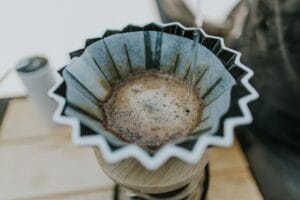
You’ll know your coffee is very fresh when you see a big, puffy bloom during a pour-over. That dome of bubbles is CO2 escaping. As coffee ages, the bloom gets smaller. By the time there’s almost no bloom at all, the coffee has usually lost a good bit of its aroma, too.
What Makes Coffee Go Stale?
To really understand how long does coffee stay fresh in your own kitchen, it helps to know the enemies. There are four main ones, and they’re the same four whether you’re in a city apartment or a farmhouse kitchen out on a gravel road.
1. Oxygen
Oxidation is the biggest factor in coffee going stale. Oxygen reacts with the oils and aromatic compounds in roasted coffee, breaking them down and creating off flavors. That’s where the flat, cardboard, or slightly rancid taste of old coffee comes from. The more surface area exposed, the faster it happens, which is why ground coffee fades so quickly.
2. Moisture
Roasted coffee is dry and happy to soak up moisture from the air. Humidity speeds up staling and can dull flavor. In extreme cases, damp coffee can even grow mold. Keep your coffee away from the sink, the steam of the kettle, and anywhere humid.
3. Heat
Heat speeds up chemical reactions, including the ones that break down flavor. Keeping coffee on top of the fridge, next to the stove, or in a sunny window cuts its useful life short. A cool, steady spot is best.
4. Light
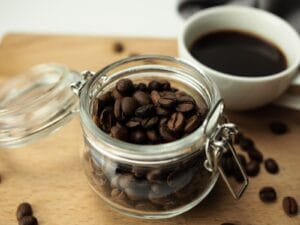
Direct sunlight and even strong indoor light can degrade coffee over time. That’s why good coffee bags are opaque. If you like to show off your beans in a clear glass jar on the counter, it looks great, but it isn’t doing the coffee any favors.
Does Coffee Go Bad?
Right behind “how long does coffee stay fresh,” this is one of the most common questions we hear. The honest answer: coffee rarely “goes bad” in the sense of being unsafe. It goes stale.
Dry roasted coffee, whole or ground, doesn’t provide a great environment for bacteria. A bag of beans that’s six months old is almost always safe to drink. It just won’t taste like much.
That said, there are a few situations where you should toss it:
- Visible mold. Fuzzy spots, white or green patches, or anything that looks off. This usually only happens when coffee got wet.
- A musty or sour smell. Not just “weak,” but actually unpleasant or damp.
- Rancid oil smell. Very old, very oily dark roasts can start to smell like old crayons or stale nuts.
- Brewed coffee left out. Brewed coffee with milk or cream left at room temperature should be tossed after a couple of hours, just like any dairy. Black brewed coffee sitting out overnight isn’t dangerous, but it’ll taste rough.
So, does coffee go bad? Mostly no. Does it go stale? Absolutely, and faster than most people realize.
How to Tell If Your Coffee Is Stale
You don’t need a lab to check freshness. Your nose and eyes will do most of the work.
Smell test. Open the bag and take a whiff. Fresh coffee smells strong, sweet, and complex. Stale coffee smells faint, dusty, or like cardboard.
Look at the beans. Fresh medium roasts usually have a dry, even surface. Some darker roasts will naturally look oily. But beans that were once dry and are now very oily and dull may be getting old.
Watch the bloom. When hot water first hits fresh grounds, they puff up and bubble. Little to no bloom often means the coffee has lost most of its gas and a good share of its aroma.
Taste it. Stale coffee often tastes flat, bitter without sweetness, papery, or hollow. You’ll taste the “coffee” part but miss the character.
If your coffee fails a couple of these checks, it’s time for a fresh bag.
How to Keep Coffee Fresh Longer
Now for the practical part. How long does coffee stay fresh at your house? That depends a lot on what you do after the bag is opened. You can’t stop time, but you can slow it way down. For a full walkthrough, check out our guide on how to store coffee beans. Here are the essentials.
Buy Fresh and Buy the Right Amount
The simplest freshness trick is buying coffee that was roasted recently and only buying what you’ll use in about two to four weeks. A household that drinks a couple of cups a day will often go through a 12-ounce bag in a week or two. Buy for your real habits, not for a bulk discount you’ll regret.
A coffee subscription is an easy way to do this without thinking about it. Fresh coffee shows up on a steady schedule, so you’re never stuck with a stale half-bag or a surprise empty one. If that sounds like your speed, you can subscribe here.
Keep It Whole Until You Brew
Whenever you can, grind right before brewing. It is the single biggest freshness upgrade for most home coffee drinkers. Whole beans hold their flavor for weeks. Ground coffee starts fading within minutes.
Use an Airtight, Opaque Container
The bag your coffee came in is often a solid choice, especially if it has a one-way valve and a zip seal. Press out the air and seal it tight after every use. If you prefer a canister, pick one that’s airtight and opaque. Vacuum-style canisters that push out extra air are a nice bonus.
Store It Somewhere Cool, Dark, and Dry
A kitchen cupboard away from the stove, oven, dishwasher, and sunny windows is perfect. Room temperature is fine. Consistent is the key word.
Skip the Fridge
The refrigerator seems like a smart idea, but it usually isn’t. Fridges are humid, and coffee picks up odors easily. Every time you pull the coffee out, condensation can form on cold beans. That moisture speeds up staling. Leave the fridge for the cold brew.
Can You Freeze Coffee Beans?
Yes, and done right, freezing is a great way to hold coffee for longer. Done wrong, it can make things worse. Here’s how to do it well:
- Freeze it fresh. Freezing pauses staling. It doesn’t reverse it. Freeze coffee soon after it has rested, not after it’s already been open for a month.
- Portion it out. Split the coffee into small, airtight bags or containers, each holding roughly a week’s worth or less.
- Get the air out. Vacuum-sealed bags are ideal. Freezer bags with the air pressed out work too.
- Thaw once, and let it come to room temperature sealed. Pull out one portion, leave it sealed until it warms up, then open it. This keeps condensation from forming on the beans.
- Don’t refreeze. Once a portion is thawed, keep it in the cupboard and use it up.
Properly frozen whole bean coffee can keep close to its original quality for a few months. It’s a smart move if you find a coffee you love and want to stretch it, or if you stock up before a busy season.
Freezing ground coffee is possible but less rewarding. The damage from grinding happens fast, so the benefit is smaller.
Common Coffee Freshness Myths
A lot of old kitchen wisdom about coffee doesn’t hold up. Let’s clear a few things up.
Myth: Coffee lasts until the “best by” date.
It stays safe until then, sure. But peak flavor is usually long gone well before that date. The coffee roast date is the one that matters.
Myth: The fridge keeps coffee fresh.
For most people, the fridge does more harm than good because of moisture and odors.
Myth: Oily beans are always fresher.
Oil on the surface is mostly a sign of roast level. Dark roasts are oily even when fresh. Very old beans of any roast can also look oily as oils migrate out over time.
So, How Long Does Coffee Stay Fresh?
Let’s bring it all home. How long does coffee stay fresh after roasting? For whole beans stored well, figure on roughly two to four weeks of peak flavor after a short rest, with a gentle fade after that. Ground coffee fades in minutes to days, which is why grinding fresh makes such a difference. And while coffee doesn’t really “go bad” in a dangerous way, stale coffee just isn’t worth the morning it’s poured into.
The good news is that keeping coffee fresh is simple once you know the basics. Read the roast date, buy the right amount, keep it whole and sealed, and brew it while it still has something to say.
Frequently Asked Questions
How long does coffee stay fresh once the bag is opened?
Once opened, whole bean coffee generally stays at its best for about one to three weeks if you press out the air and reseal it tightly each time. Ground coffee in an opened bag fades faster, often within about a week. Store either kind in a cool, dark cupboard.
How long do coffee beans last unopened?
An unopened bag with a one-way valve can keep whole bean coffee tasting good for about four to six weeks from the roast date, sometimes a bit longer. It will stay safe to drink for many months, but the flavor slowly fades over time even in a sealed bag.
Is it okay to drink coffee past the best-by date?
Yes, in most cases. Dry coffee past its best-by date is usually safe as long as it hasn’t gotten wet, grown mold, or developed a musty or rancid smell. It just won’t taste as good. Check the smell and look before brewing.
What is the ground coffee shelf life?
Ground coffee is at its peak for only about 15 to 30 minutes after grinding. Stored airtight, it’s still decent for a few days and drinkable for a week or two, though it grows noticeably flat. For the best flavor, grind whole beans right before you brew.
Why should I wait to brew freshly roasted coffee?
Freshly roasted coffee is full of carbon dioxide. During coffee degassing, that gas escapes over the first several days. Brewing too soon can cause uneven extraction and a sharp or sour taste. A short rest of about 4 to 7 days for filter coffee, and often longer for espresso, usually helps.
Should I store coffee in the freezer or the fridge?
The freezer can work well for longer storage if you portion coffee into airtight bags, thaw each portion only once, and let it reach room temperature before opening. The fridge usually isn’t a good choice because moisture and odors can hurt the flavor.
Does darker roast coffee last longer?
Not really. Dark roasts often degas faster and are ready to brew sooner, but their exposed surface oils can make them go stale a little faster too. Light roasts are denser and may hold up slightly longer. Storage and grinding matter much more than roast level.
How can I tell if my coffee is fresh?
Look for a recent roast date on the bag, then use your senses. Fresh coffee smells strong and sweet, blooms with lots of bubbles when hot water hits it, and tastes layered rather than flat. Faint aroma, little bloom, and a papery taste are signs it’s stale.
Taste the Difference Fresh Makes
At Sheppard’s Coffee Co., we roast here in the Ozarks because we believe a good cup of coffee is worth doing right. God · Family · Coffee isn’t just a line on a bag. It’s how we try to show up for the folks who drink what we roast.
Ready to taste coffee at its best? Browse what’s roasted and ready in our shop, or start a subscription and let fresh coffee come to you on a schedule that fits your kitchen.
And if you’re in the Ozarks, come say hello. Look for us at the farmers market starting in the 2027 season and at our Cars & Coffee meetups, where the coffee’s hot, the engines are loud, and there’s always room for one more at the table.