You paid good money for good coffee. Maybe you picked it up at the farmers market, maybe it showed up on your porch, maybe a buddy handed you a bag after a Saturday Cars & Coffee meetup. Either way, the job now is simple: don’t let it go stale before you drink it. Knowing how to store coffee beans is the difference between a cup that tastes like the roaster intended and one that tastes like cardboard and regret.
The good news is that figuring out how to store coffee beans isn’t complicated. You don’t need gadgets, and you don’t need to treat your kitchen like a laboratory. You just need to understand what coffee is afraid of and keep it away from those things.
Quick Answer: Store whole coffee beans in an opaque, airtight container at room temperature, away from light, heat, and moisture, and grind right before you brew. Skip the refrigerator. Freeze beans only if you’ve got more than you can use in about a month, and when you do, freeze them in sealed single-week portions and never refreeze a thawed batch.
That’s the short version of how to store coffee beans. The rest of this guide walks through the why, the how, and the handful of mistakes we see folks make over and over again, so you can keep coffee fresh from the first scoop to the last.
Why Knowing How to Store Coffee Beans Matters: Coffee Goes Stale
Before we get into how to store coffee beans, it helps to know what’s actually happening inside the bag.
Roasting transforms a dense green seed into a brittle, aromatic bean packed with oils, sugars, acids, and hundreds of volatile aromatic compounds. Those aromatics are what you smell when you open a fresh bag, and they’re a big part of what you taste in the cup. The trouble is that they’re volatile. That word literally means they want to leave, and once they’re gone, they don’t come back.
Right after roasting, beans also release a lot of carbon dioxide. That process is called degassing, and it’s a normal part of a bean’s life. (We’ve got a whole write-up on coffee degassing if you want the nerdy details.) A little resting time after roast actually helps flavor settle in. But after that sweet spot, the clock is ticking.
Stale coffee usually comes down to two things happening at once:
- Aromatics escaping. The bright, fruity, chocolatey, nutty notes fade, and what’s left tastes flat and one-dimensional.
- Oils oxidizing. The natural oils in roasted coffee react with oxygen and slowly turn, giving the cup a papery, dull, or even rancid edge.
You can’t stop either process forever, and no trick for how to store coffee beans will. What you can do is slow them way down. And that’s really all good coffee storage is: slowing down the inevitable so you get to enjoy the good stretch longer.
The Four Enemies of Fresh Coffee
Every rule about how to store coffee beans comes back to four enemies. If you remember nothing else from this article, remember these.
1. Air (Oxygen)
When it comes to how to store coffee beans, oxygen is public enemy number one. It drives the oxidation that turns coffee oils stale and pulls aromatics out of the beans. Every time you open a container, you let fresh air in. Every bit of empty space in a half-full jar is a pocket of oxygen sitting on your beans.
What to do: Use an airtight coffee canister or a well-sealed bag, press out extra air when you can, and don’t open the container more often than you need to.
2. Light
Sunlight and even strong indoor light speed up the breakdown of the compounds that give coffee its flavor. That clear glass jar on a sunny windowsill looks great on Instagram, but it’s quietly cooking your coffee.
What to do: Store beans in an opaque container, or keep a clear container tucked inside a dark cabinet.
3. Heat
Heat speeds up just about every chemical reaction, and staling is no exception. Warm beans lose aromatics faster and oxidize faster.
What to do: Keep coffee away from the stove, the oven, the dishwasher vent, the top of the fridge (it gets warm up there), and any spot that catches afternoon sun.
4. Moisture
Roasted coffee is dry and porous, and it wants to soak up moisture and whatever smells come with it. Damp beans lose flavor, can pick up off-odors, and in bad cases can even grow mold.
What to do: Keep beans dry, never scoop with a wet spoon, and be careful with the fridge and freezer (more on that below).
Here in the Ozarks, that last one deserves extra attention. Northwest Arkansas summers are famously humid, and a kitchen can feel sticky from May to September. If you live somewhere muggy, a truly airtight seal matters even more, because humid air sneaking into your container is carrying water right along with the oxygen.
How to Store Coffee Beans: The Simple Everyday Method
If you just want to know how to store coffee beans without overthinking it, here’s the method we’d recommend for most coffee drinkers, most of the time. No freezer, no fuss, just good habits.
- Buy an amount you’ll use in two to four weeks. This is the single biggest factor. Fresh coffee that you drink quickly doesn’t need fancy storage.
- Keep the beans whole until brew time. Whole beans protect their aromatics far better than ground coffee does.
- Use an opaque, airtight container. The original valved bag, sealed tightly, works. A dedicated canister works even better.
- Store at room temperature in a cool, dark cabinet. Pick a spot away from the stove and out of the sun.
- Open it only when you need coffee. Scoop what you need and close it right back up.
- Grind right before you brew. Measure out one brew’s worth, grind it, and get it into the water.
That’s it. If you follow those six steps, you’re already ahead of most kitchens in America.
How to Store Coffee Beans in the Original Bag
Can you just leave them in the bag? Often, yes. A quality coffee bag with a one-way degassing valve and a resealable zipper is a pretty solid storage container on its own. The valve lets carbon dioxide escape from freshly roasted beans without letting outside air rush back in. That’s why a good bag sometimes puffs up a little. The beans are breathing out, and the valve is doing its job.
A few tips if you’re sticking with the bag:
- Squeeze out as much air as you comfortably can before sealing.
- Roll the top down tight so there’s less headspace as the bag empties.
- Make sure the zipper is actually closed all the way across. It’s easy to miss a corner.
- Keep the bag in a cabinet, not on the counter in the light.
Where bags fall short is durability. After a couple weeks of opening and closing, zippers wear, valves get crinkled, and the bag starts letting more air in than you’d like. If you go through coffee slowly, that’s a good reason to move to a proper canister.
Choosing the Best Coffee Container
A big part of how to store coffee beans well is the container. People ask us all the time what the best coffee container is. The honest answer is that the best one is the one that checks the important boxes and fits the way you actually live. Here’s what matters.
What to Look For in an Airtight Coffee Canister
- A real airtight seal. Look for a gasket (usually silicone or rubber) around the lid. A loose-fitting lid is basically decoration.
- Opaque material. Stainless steel and ceramic block light completely. If you love glass, keep it in a dark cupboard.
- Right-sized capacity. A canister that’s way too big for the amount of coffee you buy leaves lots of air on top of the beans.
- A way to deal with headspace or CO2. Some canisters use a plunger or inner lid that presses down on the beans to push air out. Some have their own one-way valve. Both are nice touches.
- Easy to clean. Coffee oils build up over time and can go rancid. You want something you can wash and fully dry.
Comparing Common Coffee Storage Options
| Storage Option | Blocks Light | Airtight | Handles CO2 / Headspace | Best For | Watch Out For |
|---|---|---|---|---|---|
| Original bag with one-way valve and zipper | Yes | Mostly, when sealed well | Yes, via valve | Coffee you’ll finish in 2–3 weeks | Worn zippers, forgetting to seal |
| Vacuum or plunger-style canister | Usually | Yes | Yes, pushes air out | Daily drinkers who want the best everyday setup | Needs to be closed carefully each time |
| Stainless steel canister with gasket lid | Yes | Yes | Some have valves | Most home kitchens | Oversized cans leave extra air |
| Ceramic canister with gasket lid | Yes | Yes, if gasket is good | Rarely | Counter storage that still blocks light | Check the seal; some are decorative |
| Clear glass jar with clamp lid | No | Yes | No | Inside a dark pantry only | Light exposure if left out |
| Plastic deli tub or zip bag | Varies | Rarely | No | Short-term, in a pinch | Air leaks, odor transfer |
| Refrigerator | Yes | Depends on container | No | Not recommended | Moisture, condensation, odors |
| Freezer (sealed portions) | Yes | Yes, if sealed | Not needed once frozen | Buying ahead, long-term storage | Condensation, refreezing |
If you want a single recommendation: an opaque airtight coffee canister with a gasketed lid, sized so it’s mostly full when you load it, will serve you well for years.
Mason Jars, Tins, and Other Kitchen Favorites
We’re in Arkansas, so somebody’s going to ask about mason jars. A mason jar with a good two-piece lid is actually quite airtight. The problems are that it’s clear, so it needs to live in the dark, and it doesn’t handle the gas coming off very fresh coffee. If you use one, give very fresh beans a few days in their valved bag first, fill the jar close to the top, and keep it in a cupboard.
Decorative tins and cookie canisters are usually fine for blocking light, but most of them aren’t truly airtight. Give it the simple test: if you can smell the coffee strongly through the closed lid, air is getting in and out.
Should You Refrigerate Coffee?
Short answer: no, and here’s why.
It seems like it would make sense. The fridge is cold and dark, and cold slows down staling. But the refrigerator is a humid, smelly place, and roasted coffee is a sponge for both moisture and odors. That leftover onion, the half-cut lemon, the Tupperware of chili from Sunday? Your beans can end up tasting a little like all of it.
The bigger issue is condensation. Every time you pull a cold container out into a warm kitchen, moisture from the room air condenses on the cold beans, especially in a humid Ozarks summer. Then the container goes back in the fridge, and the cycle repeats every morning. That repeated wet-dry-cold-warm routine is rough on flavor.
So when folks ask, “Should you refrigerate coffee?” or list the fridge as an option for how to store coffee beans, the answer for whole beans is pretty much always no. The fridge gives you the downsides of cold storage without the real benefits of the freezer. A dark cabinet at room temperature will do a better job for coffee you’re drinking over the next few weeks.
The one small exception people bring up is brewed coffee or cold brew concentrate, which absolutely belongs in the fridge. That’s a different animal entirely. We’re talking about beans here.
Should You Freeze Coffee Beans?
Now we get to the big question in the title. Freezing coffee beans is one of the most argued-about topics in coffee, and the truth is somewhere in the middle: freezing can work very well, but only if you do it the right way and for the right reasons.
When Freezing Coffee Beans Makes Sense
Freezing is a good tool when:
- You bought more coffee than you can drink in about a month.
- You stocked up on a coffee you love and want to spread it out.
- You got coffee as a gift and already have a bag open.
- You’re heading out of town and don’t want a half-full bag going stale on the counter.
Cold temperatures slow down the chemical reactions behind staling dramatically. Freezing doesn’t stop time, but it slows the clock way down.
When Freezing Isn’t Worth It
If you drink through a bag in two or three weeks, don’t bother. Coffee kept properly at room temperature will taste great over that window, and freezing adds steps and risk without much reward. The freezer is for surplus, not for your daily bag.
How to Store Coffee Beans in the Freezer the Right Way
This is where most people go wrong. Throwing the whole bag in the freezer and pulling it out every morning is the worst of both worlds. Here’s the method that actually works:
- Start with fresh beans. Freezing preserves what’s there. It won’t bring stale coffee back. Freeze your extra beans early, not after they’ve been sitting open for three weeks.
- Divide into portions. Split the beans into amounts you’ll use in about a week, or even single-brew doses if you’re dialed in.
- Use truly airtight packaging. Heavy-duty freezer bags with the air pressed out, vacuum-sealed bags, or small airtight containers filled close to the top all work.
- Label each portion. Write the date. Future you will thank you.
- Freeze them flat and fast. Lay bags flat so they freeze quickly, then stack them.
- Take out one portion at a time. Leave the rest undisturbed.
- Let the portion come to room temperature before opening. This is the important one. If you open a frozen bag in a warm kitchen, moisture condenses right on the cold beans. Keep it sealed until it’s no longer cold to the touch.
- Never refreeze. Once a portion has thawed, treat it like any other open bag and use it up within a week or two.
Some coffee folks grind straight from the freezer, and plenty of grinders handle frozen beans just fine. If you go that route, weigh out only what you need and get the rest back in the freezer immediately, sealed tight, before it has a chance to warm or collect condensation. For most home brewers, though, the thaw-then-open method is simpler and more forgiving.
How Long Can You Freeze Coffee Beans?
Properly portioned and sealed, frozen beans can hold good flavor for a couple of months, and sometimes longer. They won’t taste exactly like the day they came out of the roaster forever, but they’ll taste far better than beans left in a half-open bag on the counter for the same stretch. For a deeper look at timelines at room temperature, check out our guide on how long coffee stays fresh.
Whole Beans vs. Ground Coffee: Why It Matters for Storage
When you’re learning how to store coffee beans, it’s worth understanding why grinding changes everything.
A whole bean is like a sealed little package. Most of the aromatics are locked inside the structure, with only the surface exposed to air. The moment you grind, you blow that package open into thousands of tiny particles, each with its own surface area touching oxygen. Aromatics start escaping immediately. That’s why a grinder makes your kitchen smell amazing, and it’s also why that smell doesn’t last.
So the general rule is to grind right before you brew. If you already have ground coffee, that’s fine. Just keep it even more carefully:
- Keep it in a tightly sealed, opaque container.
- Buy smaller amounts so you use it quickly.
- Keep it out of the fridge for all the same reasons as beans.
- Aim to use it within a week or two for best flavor.
If you’re grinding at home, matching the grind to your brew method makes a big difference in how the cup turns out. Our coffee grind size chart breaks it down method by method, from French press to espresso.
Where to Store Coffee Beans in Your Kitchen
When you’re figuring out how to store coffee beans, location matters as much as the container. Here’s a quick walk through the typical kitchen.
Good Spots
- A pantry or cupboard on an interior wall. Dark, steady temperature, away from appliances.
- A drawer away from the stove. Out of the light and usually cooler than the countertop.
- A low cabinet, not over the oven. Heat rises, so low is often cooler.
Bad Spots
- Right next to the stove or oven. Heat every time you cook.
- Above the refrigerator. Warm air from the compressor collects up there.
- On a sunny windowsill or open shelf in the light. Light and heat together.
- Next to the dishwasher. Steam and heat when it runs.
- Under the sink. Moisture and cleaning chemical smells.
- Beside the spice rack. Coffee will happily soak up those aromas.
How to Store Coffee Beans in Ozarks Humidity
If you live anywhere with muggy summers, and here in the Ozarks that’s most of the year, a few extra habits help:
- Keep your airtight coffee canister closed except when scooping.
- Don’t store coffee in a garage, barn, shop, or camper where temperature and humidity swing hard.
- If your kitchen runs damp, consider buying a little less coffee at a time during the summer months.
- Always use a dry scoop. It sounds obvious, but a damp spoon is a sneaky way to add moisture.
Common Coffee Storage Mistakes (and Easy Fixes)
Most problems with how to store coffee beans aren’t about gear at all. We talk with a lot of coffee drinkers, and the same handful of mistakes come up again and again. None of them are a big deal once you know about them.
Mistake 1: Buying Too Much at Once
A giant bag feels like a good deal until the last third tastes flat. Fix: Buy what you’ll drink in two to four weeks. If you want to buy ahead, freeze the extra in portions right away. A coffee subscription can help here too, since it spaces out deliveries so you always have fresh beans coming.
Mistake 2: Leaving the Bag Open or Clipped Loosely
A chip clip on a rolled bag is better than nothing, but not much. Fix: Use the zipper, press the air out, or move the beans into an airtight canister.
Mistake 3: Displaying Beans in a Clear Jar in the Sun
It looks nice, but it’s a flavor killer. Fix: Move the jar to a cupboard or switch to an opaque container.
Mistake 4: Storing Beans in the Fridge
We covered this above, but it’s so common it’s worth repeating. Fix: Room temperature, dark cabinet, airtight container.
Mistake 5: Freezing and Thawing the Same Bag Every Day
This invites condensation into your coffee every single morning. Fix: Freeze in small, sealed portions and take out only one at a time.
Mistake 6: Pre-Grinding a Week’s Worth
It saves a minute each morning but costs you a lot of flavor. Fix: Grind per brew. If mornings are hectic, weigh your beans the night before and grind in the morning.
Mistake 7: Never Cleaning the Canister
Old coffee oils build up on the walls and lid and can turn rancid, giving new beans an off flavor. Fix: Wash the canister between bags with warm water and mild soap, then let it dry completely before refilling.
Mistake 8: Mixing Old Beans With New
Topping off a canister with a fresh bag means the old beans at the bottom never get used and slowly go stale. Fix: Finish one bag before starting the next, or keep them in separate containers.
How to Tell If Your Coffee Beans Are Stale
Even once you know how to store coffee beans properly, it helps to know the signs that your beans are past their best.
- The smell is weak. Fresh beans smell rich and sweet when you open the container. Stale beans smell faint, dusty, or like cardboard.
- The grind smells flat. Fresh coffee fills the room when you grind it. Stale coffee barely registers.
- The cup tastes dull or bitter. Brighter notes disappear, and what’s left can taste hollow, woody, or harsh.
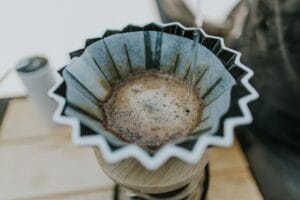
- Little or no bloom. When you pour hot water over fresh grounds for a pour-over, they puff up and bubble as trapped gas escapes. Very old coffee barely moves. (Keep in mind that bloom also depends on roast level and brewing method, so use it as one clue among several.)
- Oils smell off. If beans smell sour, musty, or rancid, it’s time to let them go.
Stale coffee isn’t unsafe in most cases, just disappointing. If your beans are dry, free of mold, and simply flat, they can still make a perfectly drinkable cup, especially in a milky drink or cold brew. If you see mold or smell mustiness, toss them.
How to Store Coffee Beans: Timeline at a Glance
Here’s a quick reference for how long coffee tends to taste its best under different conditions. These are general guidelines, not hard rules, since roast level, bean, and packaging all play a part.
| Coffee Type & Storage | Typical Best-Flavor Window |
|---|---|
| Whole beans, sealed valved bag, unopened, room temp | Several weeks after roast |
| Whole beans, opened, airtight canister, room temp | About 2–4 weeks |
| Whole beans, loosely sealed bag on the counter | Noticeably fades within 1–2 weeks |
| Ground coffee, airtight container, room temp | About 1–2 weeks |
| Whole beans, sealed portions in the freezer | A couple of months, sometimes longer |
| Any coffee in the refrigerator | Not recommended |
For a full breakdown of the freshness curve, from roast day through peak flavor and beyond, head over to our article on how long coffee stays fresh.
A Simple Coffee Storage Routine You Can Actually Stick With
All the rules in the world about how to store coffee beans don’t help if the routine is a pain. Here’s a realistic setup that works for most households.
When a new bag arrives:
- Check the roast date if the bag has one.
- If it’s very freshly roasted, leave it sealed in its valved bag for a few days to let it rest and degas.
- If you’ve got more than a month’s worth, portion the extra into sealed freezer bags now and freeze them.
Once it’s time to open it:
- Move the beans into a clean, dry, opaque airtight canister, or keep them in the bag with the air pressed out and the zipper sealed.
- Put it in a cool, dark cabinet away from the stove.
Every morning:
- Scoop or weigh the beans for one brew.
- Close the container right away.
- Grind and brew.
Between bags:
- Rinse and fully dry the canister.
- Pull a frozen portion out the night before so it’s at room temperature by morning, and leave it sealed until it’s no longer cold.
That’s a routine you can run half-awake before sunrise, and it’ll keep coffee fresh far better than the standard bag-with-a-clip approach.
How to Store Coffee Beans for Travel, Camping, and the Shop
Life in the Ozarks means coffee doesn’t always stay in the kitchen. Maybe you’re headed to the river for the weekend, packing for a hunting trip, or keeping a stash at the shop for early mornings. A few tips:
- Camping and float trips: Pack pre-measured doses in small, airtight containers or heavy zip bags with the air squeezed out. Keep them in a dry bag or cooler compartment that stays dry, not loose in the bottom of an ice chest where meltwater collects.
- Truck and car: Cabs get very hot in summer. Don’t leave beans on the dashboard or in a hot truck for days.
- Workshop or garage: Big temperature swings and humidity are hard on coffee. Bring a week’s worth at a time in an airtight container rather than storing a big bag out there.
- Traveling: Grind at home only if you have to. A small hand grinder is worth packing if you care about the cup.
Does Roast Level Change How You Store Coffee?
The basic rules for how to store coffee beans are the same for every roast, but there are a couple of differences worth knowing.
Darker roasts tend to have more oil on the surface of the bean, since the longer roast pushes oils outward. That surface oil is exposed to air, so darker roasts can start tasting stale a bit sooner. Lighter roasts are denser and hold their aromatics a little more stubbornly, and some coffee folks feel they actually taste best after a slightly longer rest post-roast.
In practice, this just means: with darker roasts, be extra consistent about keeping the container sealed and using it up in a reasonable time. With lighter roasts, don’t panic if the first few days after roast taste a little muted. They may still be settling in.
Putting It All Together
Learning how to store coffee beans the right way comes down to respecting four enemies and building a couple of easy habits. Keep out air, light, heat, and moisture. Use an opaque airtight coffee canister or a well-sealed valved bag. Keep it in a cool, dark cabinet. Skip the fridge. Freeze only your extra, in sealed portions, and never refreeze. Grind right before you brew.
Do those things and your coffee will taste the way it’s supposed to, from the first cup to the last scoop in the bag.
Frequently Asked Questions
How do you store coffee beans at home?
The simplest answer to how to store coffee beans at home is to keep them in an opaque, airtight container at room temperature, inside a cool, dark cabinet away from the stove and sunlight. Buy only what you’ll use in two to four weeks and grind right before brewing.
Should you refrigerate coffee beans?
No. The refrigerator is humid and full of food odors, and roasted coffee absorbs both. Taking cold beans in and out also causes condensation. For beans you’re drinking over the next few weeks, a dark cabinet at room temperature is the better choice.
Is freezing coffee beans a good idea?
For anyone asking how to store coffee beans for months, freezing coffee beans works well for long-term storage if you do it right. Portion fresh beans into airtight, single-week bags, freeze them, and take out only one portion at a time. Let each portion reach room temperature before opening, and never refreeze beans once they’ve thawed.
What is the best coffee container?
The best coffee container is opaque, truly airtight with a gasketed lid, easy to clean, and sized so it’s mostly full when you load it. Vacuum or plunger-style canisters and stainless steel canisters with good seals are both strong choices.
Can I keep coffee in the bag it came in?
Yes, if it’s a good bag. A bag with a one-way degassing valve and a resealable zipper does a solid job, especially for coffee you’ll finish in a couple of weeks. Press out the air, seal it fully, and keep it in a dark cabinet.
How long do coffee beans stay fresh after opening?
Stored in an airtight container at room temperature, whole beans usually taste their best for about two to four weeks after opening. Ground coffee fades faster, usually within one to two weeks.
Does humidity affect coffee beans?
Yes. Roasted coffee is porous and soaks up moisture, which dulls flavor and can lead to mold in bad cases. In humid places like the Ozarks, a truly airtight seal and a dry storage spot matter even more.
Should I store ground coffee differently than whole beans?
The rules for how to store coffee beans apply to ground coffee too, just stricter. Ground coffee has much more surface area exposed to air, so keep it tightly sealed in an opaque container, buy smaller amounts, and try to use it within a week or two.
Keep Good Coffee Coming
Knowing how to store coffee beans keeps coffee tasting right, but nothing beats simply having fresh coffee on hand. That’s the easy part. Browse our current coffees in the Sheppard’s Coffee Co. shop, or subscribe and let fresh coffee roasted here in the Ozarks show up on a schedule, so you’re never stuck with a stale bag at the back of the cabinet.
And if you’d rather pick up a bag in person, look for us at the farmers market starting in the 2027 season, or swing by one of our Cars & Coffee meetups. Bring your questions about brewing and how to store coffee beans. We’re always happy to talk coffee.
God · Family · Coffee.