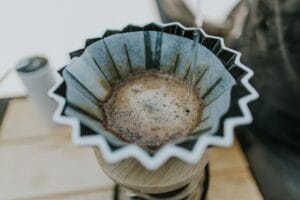
If you’ve ever poured hot water over fresh grounds and watched them puff up and bubble like a little mud volcano, you’ve seen coffee degassing in action. Coffee degassing is the natural release of carbon dioxide that builds up inside beans during roasting. It’s the reason coffee bags have that little round valve, the reason pour-over recipes start with a “bloom,” and the reason a bag roasted yesterday doesn’t always taste as good as the same bag a week from now.
Most of us grew up hearing that fresher is always better. And mostly, that’s true. But there’s a short window right after roasting where coffee is almost too alive, and knowing how that works will make you a better home brewer.
Let’s break it down in plain terms: what’s happening inside the bean, how long to rest coffee after roasting, what that valve on your bag is actually doing, and how to brew fresh coffee so it tastes the way it should.
Quick Answer: Coffee degassing is the release of CO2 that forms inside beans during roasting. Most of that gas escapes in the first few days, and brewing too soon can cause uneven extraction and sour, sharp flavors. As a general rule, let beans rest about 2–7 days for filter coffee and about 7–14 days for espresso.
What Is Coffee Degassing, Exactly?
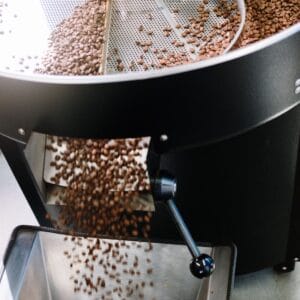
When green coffee goes into a roaster, it’s a dense, grassy-smelling seed. Heat changes all of that. Sugars caramelize, proteins and sugars react (that’s the Maillard reaction), moisture cooks off, and the bean swells and cracks open. Along the way, the roast produces a good amount of gas, and a big share of that gas is carbon dioxide.
Some of that CO2 escapes during the roast itself. A lot of it doesn’t. It gets trapped inside the bean’s cell structure, which has turned brittle and porous from the heat. Once the beans cool, that trapped gas slowly works its way out over the following days and weeks.
That slow escape is coffee degassing, and it shapes how your coffee tastes for weeks after roasting.
A few key points to hang onto:
- It starts right away. Beans begin releasing CO2 the moment they come out of the roaster.
- It’s fastest early. The heaviest release happens in the first several days after roasting.
- It tapers off. After that, degassing slows down a lot, though beans keep giving off small amounts for a good while.
- It’s completely natural. Degassing isn’t a defect. It’s just the bean settling after a pretty violent trip through the roaster.
Why Does CO2 in Coffee Matter?
On its own, CO2 in coffee isn’t a bad thing. In fact, it’s a sign the beans are fresh. Old, stale coffee barely bubbles at all when you brew it, because the gas is long gone, and a lot of the aroma went with it.
The trouble is timing. When there’s a lot of gas still packed into the beans, it gets in the way of brewing. Water and gas don’t share space well. As hot water hits the grounds, CO2 rushes out and pushes water away from the coffee. That makes it harder for water to reach every particle evenly and pull out the flavor you’re after.
So the goal isn’t to get rid of all the CO2. The goal is to brew when there’s enough left to signal freshness and carry aroma, but not so much that it fights the water.
Can Coffee Be Too Fresh? What Coffee Degassing Means for Your Cup
Yes, it can. That might sound strange coming from a roaster, but it’s honest.
Coffee brewed within a day or two of roasting often tastes a little off. Not bad, necessarily. Just not finished. Here’s what you might notice with coffee that’s too fresh:
- Sour or sharp flavors. The cup can taste tart, thin, or a little harsh, even when your recipe is dialed in.
- Uneven extraction. Some grounds give up their flavor fully while others barely get touched, so the cup tastes muddled or unbalanced.
- Flat or muted sweetness. The rich, rounded notes you expect from the roast haven’t quite shown up yet.
- Bubbly, wild espresso. Shots can gush, spray, or come out foamy with big bubbles in the crema, and the flavor can swing all over the place.
- Aggressive bloom. In a pour-over, the coffee bed may rise and crack dramatically, and water can channel through in spots.
Think of it like breaking in a rebuilt engine. You don’t bolt everything together and run it wide open on day one. You give it some easy miles so the parts can seat and settle, and after that it runs smooth and strong. Fresh-roasted coffee is similar. A few days of rest lets things settle down, and the cup comes together.
Is Too-Fresh Coffee Bad for You?
No. There’s nothing unsafe about brewing coffee the same day it was roasted. It’s purely a flavor thing. If you’ve got a bag straight from the roaster and you can’t wait, go ahead and brew it. Just know it’ll probably taste better in a few days, and it’s worth trying it again then to compare.
Honestly, tasting the same coffee on day two, day five, and day ten is one of the best ways to learn what degassing does. You’ll start to notice the shift for yourself.
How Long Should You Rest Coffee After Roasting?
Resting coffee after roasting just means giving the beans time to release that early rush of CO2 before you brew. There’s no single perfect number. Every coffee is a little different depending on the bean, how it was processed, how it was roasted, and how you’re brewing it.
That said, here are general ranges that work well for most home brewers.
Coffee Degassing Rest Times by Brew Method and Roast
| Brew Method | Light Roast | Medium Roast | Dark Roast | Why |
|---|---|---|---|---|
| Pour-over / drip | ~4–7 days | ~3–5 days | ~2–4 days | Gentle brewing, and the bloom helps release leftover gas |
| French press | ~3–7 days | ~2–5 days | ~2–4 days | Long immersion is fairly forgiving of extra CO2 |
| AeroPress | ~3–7 days | ~2–5 days | ~2–4 days | Short brew, but immersion and pressure handle gas decently |
| Cold brew | ~3–7 days | ~2–5 days | ~2–4 days | Long steep is forgiving; freshness matters less than in hot brewing |
| Espresso | ~10–14+ days | ~7–12 days | ~5–10 days | High pressure and fine grind make excess CO2 cause the most trouble |
These are general starting points, not hard rules. Taste is the final judge.
Filter Coffee: About 2–7 Days
For drip, pour-over, French press, and most everyday brewing, a rest of roughly 2 to 7 days is a good general target. By then, the heaviest wave of gas has passed, and the coffee brews more evenly.
Filter methods are fairly forgiving. The bloom step (more on that below) gives gas a chance to escape before the main pour, and the lower pressure means leftover CO2 doesn’t cause as much chaos.
Espresso: About 7–14 Days
Espresso usually benefits from a longer rest, somewhere around 7 to 14 days, sometimes a little more for lighter roasts.
Here’s why. Espresso forces hot water through a tightly packed puck of very fine coffee under a lot of pressure, all in under a minute. There’s no bloom, no time to let gas out gently. If the beans are still loaded with CO2, it fights the water hard, which leads to channeling, gushing shots, big frothy bubbles, and flavors that swing sour one shot and harsh the next.
Give espresso beans a bit more time and you’ll usually get steadier, sweeter, more balanced shots.
Why Darker Roasts Degas Faster
Roast level makes a real difference. Darker roasts spend more time in the heat, which makes the bean structure more porous and brittle. That gives trapped gas an easier path out, so darker roasts tend to degas faster.
Lighter roasts are denser and hold their gas longer, so they often need more rest before they hit their stride.
If you want to go deeper on how roast level changes flavor, body, and brewing, check out our guide to light vs. medium vs. dark roast.
Coffee Bloom: Watching Degassing Happen in Real Time
If you brew pour-over, you’ve probably seen the instruction to “bloom” your coffee. The coffee bloom is the easiest way to see degassing with your own eyes.
When hot water first hits fresh grounds, trapped CO2 escapes all at once. The grounds swell, puff up, and bubble. That’s the bloom. Fresh coffee blooms big. Older coffee barely rises at all.
Why the Bloom Matters
Blooming is basically a quick, controlled coffee degassing step. By wetting the grounds and waiting a moment, you let a big share of the gas escape before the main pour. That way, when you add the rest of your water, it can soak into the coffee evenly instead of getting pushed around by bubbles.
The result is a cleaner, more even extraction and a better-tasting cup.
How to Bloom Coffee
Here’s a simple, reliable way to do it:
- Weigh your coffee and grind it to a medium-fine setting for pour-over.
- Start your timer and pour about twice the coffee’s weight in water. For 20 grams of coffee, that’s roughly 40 grams of water.
- Make sure all the grounds get wet. A gentle swirl or a quick stir helps with any dry clumps.
- Wait about 30–45 seconds. Watch the grounds rise and bubble as the gas escapes.
- Continue your pour slowly and steadily to finish the brew.
That’s it. It adds less than a minute to your routine and makes a real difference.
What Your Bloom Tells You
Your bloom is a handy little freshness gauge:
- Big, dramatic rise with lots of bubbling: The coffee is very fresh and still packed with CO2. If it’s only a day or two off the roast, it may taste better after a few more days of rest.
- Steady, healthy rise: Right in the sweet spot.
- Barely any rise, flat and sleepy: The coffee is older and has lost most of its gas, and probably some aroma along with it.
One note: grind size also affects how the bloom looks. Finer grinds release gas faster and can look more dramatic. If you’re not sure your grind is in the right range, our coffee grind size chart is a good place to check.
What Does the One-Way Valve on a Coffee Bag Do?
That small round button on the front of a lot of coffee bags isn’t decoration. It’s a one-way valve, and it exists because of coffee degassing.
Here’s the problem it solves. Freshly roasted coffee keeps releasing CO2 for days. If you sealed those beans in an airtight bag with no way out, the gas would build up and the bag could puff up like a balloon. But if you left the bag open to let the gas out, oxygen would get in, and oxygen is one of fresh coffee’s biggest enemies.
The one-way valve coffee bag solves both problems:
- It lets CO2 out so pressure doesn’t build up inside the bag.
- It keeps oxygen from getting in, which helps protect the coffee from going stale too quickly.
That little valve lets coffee be packed soon after roasting and keep degassing safely while it sits on a shelf or rides home in your truck.
Should You Squeeze the Bag to Smell the Coffee?
We’ve all done it. You pick up a bag, press it, and sniff the valve to catch a whiff of the coffee inside. It’s a satisfying little ritual, and doing it once in a while isn’t going to hurt anything.
Just know what’s happening when you squeeze. You’re pushing air, and the aromatic compounds that ride along with it, out of the bag. Those aromas are a big part of what makes the coffee taste great. Doing it over and over means you’re spending some of that flavor before it ever reaches your cup.
So go ahead and take a sniff now and then. Just don’t make a habit of squeezing every bag like you’re checking a tire.
Does the Valve Mean the Bag Is Airtight Forever?
Not quite. The valve helps while the bag is sealed. Once you open it, air gets in every time you reach for beans. Rolling the top down tight, pressing out extra air, and sealing it well will help, but the clock on freshness starts moving faster once the bag is open.
For more on keeping beans at their best after you open the bag, see our guide on how to store coffee beans.
Grinding and Coffee Degassing: Why Ground Coffee Goes Stale Faster
Whole beans hold onto their gas and aroma pretty well because most of the coffee is protected inside the bean. The moment you grind, that changes.
Grinding breaks the beans into thousands of tiny pieces and exposes a huge amount of surface area. Trapped CO2 escapes much faster, and so do the aromatic compounds that give coffee its smell and flavor. Oxygen also gets to more of the coffee at once.
In other words, grinding speeds up coffee degassing a lot.
That’s why:
- Freshly ground coffee smells amazing right away. You’re smelling all that aroma rushing out.
- Coffee ground well ahead of time tends to taste flatter.
- Grinding right before you brew usually gives you the best cup.
Can You Use Grinding to “Speed Up” Resting?
Some folks wonder if they can grind very fresh coffee and let it sit for a bit to skip the rest period. You can, technically, and the grounds will lose gas quickly. But you’ll lose aroma just as fast. It’s usually a poor trade.
A better approach with super-fresh beans is to let the whole beans rest a few days, then grind right before brewing. If you have to brew right away, use a longer bloom and adjust your recipe (see the next section).
How to Brew Coffee That’s Too Fresh (Before Coffee Degassing Slows Down)
Sometimes you just want to brew that bag now. We get it. Here are a few ways to get a better cup out of coffee that hasn’t finished degassing.
For Pour-Over and Drip
- Stretch the bloom. Go a bit longer, up toward 45 seconds or even a touch more, to let extra gas escape.
- Stir or swirl during the bloom. This helps break up clumps and lets trapped gas out.
- Pour slowly and steadily. A gentle pour helps keep the coffee bed even and reduces channeling.
- Consider a slightly finer grind if the cup tastes thin or sour, since the gas can make water run through too quickly.
For French Press and Immersion
- Give it a stir after the first pour to break up the crust of floating, gassy grounds.
- Let it steep the full time. Immersion is naturally more forgiving of fresh coffee.
- Skim the foam off the top before plunging if you want a cleaner cup.
For Espresso
- Wait if you can. Espresso really is the method that benefits most from rest.
- Adjust your grind. Very fresh beans may need a grind change compared to what you’ll use a week later.
- Expect some drift. As the beans degas over the next several days, you’ll likely need to keep tweaking your grind to stay dialed in.
For Cold Brew
Cold brew is the most forgiving method of all when it comes to fresh coffee. The long, slow steep gives gas plenty of time to escape. If you’ve got fresh beans and no patience, cold brew is a solid option.
When Is Coffee Past Its Peak?
Coffee degassing has two sides. Too early, and the coffee isn’t settled yet. Too late, and the coffee has lost much of the gas and aroma that made it special.
As degassing winds down, flavors gradually fade. The cup gets flatter, the aroma gets weaker, and eventually you get that dull, papery, “cardboard” taste people associate with stale coffee.
There’s no hard cutoff date, and a lot depends on how the coffee’s stored. Whole beans in a sealed valve bag or airtight container, kept away from heat, light, and moisture, hold up much better than an open bag on a sunny counter.
For a full breakdown of freshness windows for whole beans, ground coffee, and brewed coffee, read our guide on how long coffee stays fresh.
Signs Your Coffee Has Passed Its Peak
- Almost no bloom, even with a fresh grind
- Weak aroma when you open the bag or grind the beans
- Flat, dull, or papery taste in the cup
- Thin, pale crema on espresso that disappears quickly
If you’re seeing these signs, it’s not unsafe to drink. It’s just not going to be the coffee at its best. Time for a fresh bag.
The Coffee Degassing Timeline at a Glance
Here’s a simple way to picture what happens to your beans after they leave the roaster. Keep in mind this is general. Every coffee moves at its own pace.
Day 0–1: Straight Out of the Roaster
The beans are loaded with CO2 and releasing it fast. Brewing now often gives sharp, uneven, or muddled results, especially for espresso.
Days 2–4: Settling In
The heaviest rush of gas is easing off. Many medium and dark roasts start tasting great for filter brewing in this window.
Days 5–7: Filter Sweet Spot
Most coffees are in a great place for pour-over, drip, and French press. Flavors are clearer and more balanced.
Days 7–14: Espresso Comes Into Its Own
Degassing has slowed enough that espresso shots become steadier and sweeter. Lighter roasts may still be improving.
Weeks 2–4 and Beyond: Slow Fade
With good storage, coffee can still taste excellent here, but it’s gradually giving up aroma. How long it stays at its best depends a lot on how you store it.
Common Myths About Coffee Degassing
There’s a lot of coffee advice floating around. Here are a few myths worth clearing up.
Myth: “Fresher is always better.”
Mostly true, but not on day one. Coffee usually needs a short rest to reach its best. Freshness matters a lot, but “just roasted” and “at its peak” aren’t always the same thing.
Myth: “The valve means the bag is vacuum-sealed.”
No. The valve lets gas out and helps keep oxygen from coming in. It’s not the same as a vacuum seal, and it doesn’t stop coffee degassing or make coffee last forever.
Myth: “If it doesn’t bloom, it’s bad coffee.”
Not necessarily. A weak bloom usually means the coffee is older or was ground ahead of time. It might still taste fine. It just won’t taste as bright or aromatic as it would have closer to roast.
Myth: “You should always let coffee rest for weeks.”
Some very light roasts for espresso may keep improving past two weeks, but for most everyday filter brewing, a few days to a week is plenty. Waiting too long just burns through your freshness window.
Myth: “Degassing only matters to coffee snobs.”
Not at all. If you’ve ever had a bag taste a little sour at first and then suddenly great a few days later, you’ve already experienced coffee degassing. Knowing why helps anyone brew a better cup, no fancy gear required.
How to Tell When Your Coffee Is Ready to Brew
You don’t need a lab to figure out when your beans are ready. A little attention goes a long way.
- Check the roast date. A roast date on the bag tells you where the beans are in their degassing timeline. It’s far more useful than a vague “best by” date.
- Watch the bloom. A lively, healthy rise is a good sign. An explosive, volcanic bloom may mean the coffee needs another day or two.
- Taste it over time. Brew the same coffee a few different days after roasting and pay attention to how it changes. That’s the best teacher there is.
- Match rest to method. Filter brewing can usually start sooner. Espresso usually wants a little more patience.
- Mind the roast level. Darker roasts are usually ready sooner. Lighter roasts often need more time.
Putting It All Together
Coffee degassing is one of those behind-the-scenes things that affects every cup you brew, whether you’ve heard of it or not. Here’s the short version:
- Roasting creates CO2 that gets trapped inside the beans.
- Most of it escapes in the first few days, and the release slows down after that.
- Coffee can be too fresh, leading to sour, sharp flavors, uneven extraction, and bubbly espresso.
- Resting helps. Aim for roughly 2–7 days for filter and 7–14 days for espresso, adjusting for roast level.
- The bloom is a quick way to release gas right before brewing, about 30–45 seconds with roughly twice the coffee’s weight in water.
- The one-way valve lets CO2 out while keeping oxygen from getting in.
- Grinding speeds everything up, so grind right before you brew.
None of this needs to be complicated. Know your roast date, give your beans a few days to settle, bloom your pour-overs, and store your coffee well. That’s most of the battle right there.
Frequently Asked Questions
What is coffee degassing in simple terms?
Coffee degassing is the process of freshly roasted beans releasing carbon dioxide that formed during roasting. The gas escapes fastest in the first several days after roasting and then slows down over time.
Can coffee be too fresh to brew?
Yes. Coffee brewed right after roasting still holds a lot of CO2, which can push water away from the grounds and cause uneven extraction. The result is often a sour, sharp, or unbalanced cup. It’s perfectly safe to drink, but it usually tastes better after a short rest.
How long should I let coffee rest after roasting?
As a general guide, about 2–7 days for filter methods like pour-over, drip, and French press, and about 7–14 days for espresso. Darker roasts usually need less time because they degas faster, while lighter roasts often need a bit more.
What is a coffee bloom and why does it matter?
The coffee bloom is the puffing and bubbling you see when hot water first hits fresh grounds. It’s CO2 escaping. Pouring about twice the coffee’s weight in water and waiting 30–45 seconds lets that gas out before the main pour, which leads to a more even extraction and a better cup.
What does the one-way valve on a coffee bag do?
A one-way valve lets CO2 escape from the bag so pressure doesn’t build up, while helping keep oxygen from getting in. That protects the coffee’s freshness while it continues to degas after packing.
Is it bad to squeeze a coffee bag to smell it?
Doing it once in a while is fine. But every squeeze pushes aroma out through the valve, and that aroma is part of the coffee’s flavor. If you squeeze the bag often, you’re spending some of that flavor before it ever reaches your cup.
Does grinding coffee speed up degassing?
Yes, a lot. Grinding exposes much more surface area, so CO2 and aroma escape much faster, and oxygen reaches more of the coffee. That’s why grinding right before brewing gives you the freshest-tasting cup.
Why does my espresso look bubbly and taste sour with fresh beans?
That’s usually excess CO2 in beans that haven’t rested long enough. Under espresso’s high pressure, the gas causes channeling, frothy or bubbly crema, and uneven extraction. Letting the beans rest closer to 7–14 days typically gives smoother, sweeter shots.
Brew Fresh, Brew It Right
At Sheppard’s Coffee Co., we roast right here in the Ozarks, and we want every bag to taste its best when it hits your cup. Check the roast date, give it a few days to settle, and enjoy the difference.
Ready to put this into practice? Shop our coffee and find your next favorite. And if you’re in the Ozarks, look for us at the farmers market starting in the 2027 season, or swing by one of our Cars & Coffee meetups. We’d love to pour you a cup and talk shop.
God · Family · Coffee