Walk up to any coffee shelf and you’ll see it printed right on the bag: light, medium, or dark. Most folks pick one out of habit and never think twice. But the light vs dark roast question is one of the biggest choices you make about your cup, bigger than the brand name and sometimes bigger than the brew method. Roast level shapes how your coffee tastes, how it feels in your mouth, how it smells when you open the bag, and even how you should brew it.
Here in the Ozarks, we get this question all the time. So let’s lay it out plain and simple: what actually happens when coffee gets roasted, what separates light from medium from dark, the truth about caffeine, and how to figure out which roast is right for you.
Quick Answer: Light roasts are roasted shorter and cooler, so they keep more of the bean’s original fruity, floral, bright flavors and higher acidity. Dark roasts are roasted longer and hotter, trading those origin flavors for bold, smoky, chocolatey roast character with heavier body and less acidity. Medium roasts sit in the middle, and caffeine differences between them are small.
What Does “Roast Level” Actually Mean?
Coffee doesn’t start out brown. A raw coffee bean, usually called a green bean, is actually the seed of a cherry that grows on a shrub. Green coffee is pale, hard, grassy-smelling, and frankly not something you’d want to brew. Roasting is what turns that seed into the coffee you know.
“Roast level” simply describes how far the roaster took the beans through that process. Think of it like cooking a steak. Same cut of meat, but rare, medium, and well-done taste and feel completely different. Nothing was added. The difference is time and heat.
When people talk about light vs dark roast, they’re really talking about three things:
- How long the beans spent in the roaster
- How hot the beans got by the end
- How far the chemical changes inside the bean were allowed to go
Those three factors drive nearly every light vs dark roast difference you’ll taste in the cup.
The Roasting Process in Plain Terms
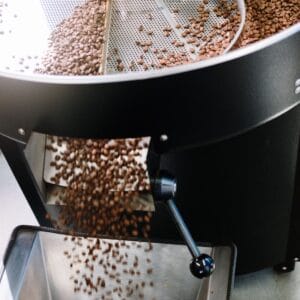
Roasting goes through a few recognizable stages. Every roaster has their own approach, but the basic road map looks like this:
- Drying. The green beans heat up and lose moisture. They turn from green to a yellowish color and smell a bit like hay or fresh bread.
- Browning. Sugars and amino acids start reacting (the Maillard reaction, the same thing that browns toast and seared meat). Color deepens, and the aroma starts to smell like coffee.
- First crack. Pressure builds inside the bean as water turns to steam and gases form. Eventually the bean audibly cracks, a lot like popcorn. This usually happens somewhere around the high 300s to low 400s Fahrenheit (roughly 385–400°F bean temperature, though it varies by bean and roaster). This is where a coffee becomes drinkable as a light roast.
- Development. After first crack, the roaster decides how much longer to go. This window is where most of the magic, and most of the decision-making, happens.
- Second crack. If roasting continues, the bean’s structure starts breaking down further and a second, quieter, snappier crack begins, often somewhere in the mid-to-high 400s°F. Oils start migrating to the surface. This is dark roast territory.
Roughly speaking, light roasts are pulled off during or shortly after first crack. Medium roasts go further into development but stop before second crack. Dark roasts go into or past second crack.
Light Roast Coffee: Bright, Clean, and True to Origin
Light roast coffee gets the shortest trip through the roaster. The beans come out a light to medium brown, dry to the touch with no oil on the surface.
What Light Roast Tastes Like
Because the roast is gentle, light roasts preserve more of what the bean brought with it from the farm. That includes the growing region, altitude, soil, variety, and processing method. You’ll often hear words like:
- Fruity (berry, citrus, stone fruit)
- Floral (jasmine, honeysuckle)
- Tea-like
- Sweet and bright
- Crisp or clean
Light roasts have the highest perceived acidity of the three levels. In coffee, “acidity” doesn’t mean sour stomach. It’s a tasting word for brightness and liveliness, the same kind of pleasant snap you get from a good green apple.
Body tends to be lighter too. A light roast often feels thinner and cleaner on the tongue, more like tea than cream.
Who Tends to Love Light Roasts
Light roasts are a favorite among people who drink coffee black and like to pick out flavors. If you enjoy comparing a coffee from Ethiopia to one from Colombia and noticing the difference, light roast is where those differences shine brightest. If you want to dig into that idea, our guide on single origin vs blend goes deeper on how origin shows up in the cup.
Common Light Roast Names
You’ll see a few traditional labels used for lighter roasts:
- Cinnamon roast – very light, pulled right around first crack. Named for the color, not the flavor.
- Light City / Half City – slightly more developed, still very bright.
- New England roast – a traditional light roast name, common in the Northeast.
A Word of Caution on Light Roasts
A light roast that’s under-developed can taste grassy, sour, or like raw peanuts. That’s not what a good light roast should taste like. Good light roasts are bright and sweet, not harsh. Light roasts are also denser and harder, which means they can be a little trickier to brew. They usually do best with hotter water and sometimes a slightly finer grind.
Medium Roast Coffee: The Balanced Middle Ground
Medium roast coffee is what a lot of Americans grew up drinking, even if they didn’t know it by name. The beans are a rich chestnut brown, usually still dry on the surface, and taken well past first crack but stopped before second crack.
What Medium Roast Tastes Like
Medium roasts are all about balance. You still get some of the bean’s origin character, but it’s rounded out by more roast-driven sweetness. Common descriptions include:
- Caramel and brown sugar
- Milk chocolate
- Toasted nuts (almond, hazelnut, peanut)
- Mild fruit
- Smooth, rounded finish
Acidity is moderate. It’s still there, giving the coffee some life, but it’s softer than a light roast. Body is fuller, with more weight and a rounder mouthfeel.
Why Medium Roast Is So Popular
Medium roast coffee is the crowd-pleaser. It works black, it works with cream and sugar, it works in a drip machine at the office, and it works in a percolator at deer camp. It’s forgiving to brew, and it doesn’t lean too hard in either direction.
If you’re making a pot for a table full of people with different tastes, medium roast is usually the safest bet.
Common Medium Roast Names
- City roast – the lighter side of medium, still fairly bright.
- City+ roast – a touch more developed, more sweetness.
- Full City roast – the darker end of medium, right up to the edge of second crack. Rich, sweet, and full-bodied.
- American roast / Breakfast roast – general marketing terms that usually land in the medium range.
A medium-dark roast (sometimes called Full City+) might touch the very beginning of second crack. You’ll see a few specks of oil and get more bittersweet chocolate notes.
Dark Roast Coffee: Bold, Smoky, and Full-Bodied
Dark roast coffee spends the longest in the roaster and gets the hottest. The beans come out dark brown to nearly black, and they usually have a visible sheen of oil on the surface.
What Dark Roast Tastes Like
At this point, the roast itself is doing most of the talking. The bean’s original origin flavors fade into the background, and roast character takes the lead. Expect:
- Dark chocolate and cocoa
- Molasses
- Toasted or smoky notes
- Roasted nuts
- Bittersweet finish
- At the very darkest levels, charred or ashy notes
Acidity is lowest in dark roasts. Many people who find light roasts too sharp or “sour” feel right at home with a dark roast. Body is heavy and full, and the coffee often has a syrupy, lingering finish.
Why People Love Dark Roasts
Dark roast drinkers usually want a coffee that tastes like coffee: strong, bold, no-nonsense. Dark roasts hold up beautifully to milk, cream, and sugar, which is why they’re common for espresso drinks and lattes. They also tend to be consistent, since roast flavors are more uniform than origin flavors.
Common Dark Roast Names
- Vienna roast – moderately dark, just into second crack. Some origin flavor still peeks through.
- French roast – quite dark, oily, with pronounced smoky and bittersweet notes.
- Italian roast – darker still, very little origin character left.
- Spanish roast – among the darkest traditional roast names, very dark and intense.
- Espresso roast – not a true roast level, just a label. It’s often medium-dark to dark, but it varies widely.
Dark Roast and Bitterness
Dark roasts naturally carry more bitterness than lighter ones. That’s part of the style. But there’s a difference between pleasant bittersweet and harsh, burnt bitter. If your dark roast tastes like a campfire went out in your mug, the issue may be over-extraction, stale beans, or water that’s too hot. Our article on why does my coffee taste bitter walks through the most common causes and fixes.
Light vs Dark Roast: Side-by-Side Comparison
Here’s the whole light vs dark roast picture in one spot. This table covers the major differences in the light vs dark roast debate, with medium in between for reference.
| Feature | Light Roast | Medium Roast | Dark Roast |
|---|---|---|---|
| Bean color | Light brown | Chestnut / medium brown | Dark brown to near black |
| Surface | Dry, no oil | Dry, maybe slight sheen at medium-dark | Oily, shiny |
| Roast stage | Around or just after first crack | After first crack, before second crack | Into or past second crack |
| Approximate end bean temp | Roughly 385–410°F | Roughly 410–435°F | Roughly 435–460°F+ |
| Acidity | High, bright | Moderate | Low |
| Body | Light, tea-like | Medium, rounded | Heavy, full |
| Main flavor source | Origin (farm, region, variety) | Balance of origin and roast | Roast character |
| Typical flavors | Fruit, floral, citrus, tea | Caramel, nuts, milk chocolate | Dark chocolate, smoke, molasses |
| Bean density | Densest | Medium | Least dense |
| Caffeine | Slightly higher by weight | In between | Slightly lower by weight |
| Common names | Cinnamon, Light City, New England | City, City+, Full City, American | Vienna, French, Italian, Spanish |
| Great with milk? | Sometimes, but flavors can get lost | Yes | Yes, stands up well |
Temperatures are general ranges only. Every roaster, machine, and batch of beans is a little different, so treat these as a ballpark, not a rule.
Which Roast Has More Caffeine?
This is the question we hear more than any other, and there’s a lot of bad information floating around. Some folks swear dark roast is “stronger” so it must have more caffeine. Others have heard light roast packs way more of a punch. The truth is less dramatic than either side.
The Short Version
The caffeine difference between roast levels is small. It’s not enough that most people would ever notice it in how they feel. How much coffee you use and how you brew it matter far more than roast level.
The Longer Version: Weight vs. Scoop
Caffeine is a fairly stable compound, and roasting doesn’t destroy much of it. But roasting does change the bean in two important ways:
- Beans lose mass. Moisture and other material cook off, so a dark roasted bean weighs less than a light roasted one.
- Beans expand. The longer the roast, the more the bean puffs up and the less dense it gets.
That leads to two different answers depending on how you measure.
Measured by weight: If you weigh out the same number of grams of light and dark roast, the light roast will usually have a slightly higher caffeine content. That’s because the light roast bean lost less of its other mass during roasting, so caffeine makes up a similar or slightly larger share.
Measured by scoop (volume): Light roast beans are smaller and denser, so more of them fit in a scoop. A scoop of light roast therefore holds a bit more coffee by weight than a scoop of dark roast, which means a bit more caffeine.
So when it comes to dark roast vs light roast caffeine, light roast generally comes out a little ahead either way. But “a little” is the key phrase. If you want more caffeine, the more reliable move is to simply use more coffee or drink a larger cup.
Why Dark Roast Feels Stronger
Dark roast tastes bolder, heavier, and more bitter, and our brains tend to link those sensations with “strong.” That’s flavor intensity, not caffeine. A bold-tasting cup and a high-caffeine cup are two different things.
What Actually Changes Caffeine in Your Cup
If caffeine is what you’re after, these matter more than roast level:
- Coffee-to-water ratio. More coffee grounds, more caffeine.
- Serving size. A 16 oz mug beats an 8 oz cup every time.
- Brew method. Different methods extract caffeine differently. A shot of espresso is concentrated, but a full mug of drip coffee often contains more total caffeine than a single shot.
- Brew time and grind size. Longer contact time and finer grinds generally extract more. Our coffee grind size chart shows the right grind for each method.
- The coffee plant itself. Robusta coffee naturally has significantly more caffeine than Arabica. That’s a much bigger factor than roast level.
Flavor From the Farm vs. Flavor From the Roaster
One of the most helpful ways to think about the light vs dark roast question is this: every cup of coffee has two sources of flavor.
Origin flavor comes from the bean itself: where it was grown, the altitude, the soil and climate, the coffee variety, and how the cherries were processed after harvest. A washed coffee from Kenya and a natural-processed coffee from Ethiopia can taste completely different even at the same roast level.
Roast character comes from what happens in the roaster: caramelization, browning, and eventually the smoky, bittersweet flavors of a longer roast.
Here’s the trade-off:
- Light roasts turn the volume up on origin flavor and down on roast character.
- Medium roasts blend the two.
- Dark roasts turn the volume up on roast character and down on origin flavor.
Neither one is “better.” It’s a matter of what you want to taste. A roaster makes a choice about each coffee, trying to bring out what that bean does best. Some beans really sing at a light roast. Others shine as a rich medium or hold up beautifully to a darker roast.
Blends and Roast Level
Blends are often built with a particular roast level in mind. A blend meant for espresso or for drinking with cream is often taken to medium-dark or dark, where the roast character ties different components together. A single-origin coffee is more often roasted lighter to let its specific personality come through. That’s a general pattern, not a hard rule, and plenty of great coffees break it.
Roast Levels Explained by Brew Method
Some roasts naturally pair better with certain brewing methods. You can brew any roast any way you like, but these pairings are a good starting point.
Drip Coffee Maker
Medium roast is the classic choice. It’s balanced, forgiving, and tastes good even when the machine isn’t perfect. Dark roasts work well too if you like a bold pot.
Pour-Over (V60, Chemex, Kalita)
In the light vs dark roast matchup, pour-over usually sides with light. It tends to highlight clarity and brightness, which makes it a natural home for light and medium roasts. If you want to taste fruit and floral notes, this is the method.
French Press
French press produces a heavy, full-bodied cup, so it pairs nicely with medium to dark roasts. Dark roast in a French press gives you that rich, chocolatey, rustic mug a lot of folks love.
Espresso
For espresso, the light vs dark roast question has traditionally leaned dark, usually medium-dark to dark, because those roasts are easier to extract and give that classic syrupy, chocolatey shot. Lighter espresso has become more common too, but it can be harder to dial in.
Cold Brew
Cold brew smooths out acidity, and many people enjoy medium or dark roasts here for a mellow, chocolatey result. Light roast cold brew can be interesting and fruity, though some find it a bit flat.
Percolator and Cowboy Coffee
Out here, some folks still swear by a stovetop percolator or a pot straight over the fire. Medium and dark roasts handle the heat and rough-and-ready brewing better. Just keep an eye on it so it doesn’t boil too long and turn harsh.
How to Brew Each Roast Level Well
One practical side of the light vs dark roast difference shows up at the brewer. Because light and dark roasts differ physically, they extract differently. A few simple adjustments go a long way.
Brewing Light Roasts
- Use hotter water. Right around 200–205°F is a good target. Light roasts are dense and need a little more energy to extract.
- Consider a slightly finer grind than you’d use for a darker coffee on the same brewer.
- Give it enough time. Rushing a light roast often leads to sour, thin coffee.
- Weigh your coffee if you can. Because light beans are dense, scoops can throw off your ratio.
Brewing Medium Roasts
- Standard settings work great. Water just off the boil, roughly 195–205°F.
- Use a medium grind for drip and a standard grind for your chosen method.
- Medium roast is the most forgiving of the three, so it’s a good place to learn and experiment.
Brewing Dark Roasts
- Try slightly cooler water. Around 190–200°F can help tame bitterness.
- Consider a slightly coarser grind. Dark roasts are more porous and extract faster.
- Don’t over-steep. Long brew times can push a dark roast from bold to burnt.
- Adjust your ratio if it’s too intense, rather than assuming the coffee is bad.
A Simple Starting Ratio
A good general starting point for most brew methods is about 1 gram of coffee to 16 grams of water (roughly 1:16). That works out to around 2 tablespoons of ground coffee per 6 ounces of water. From there, adjust to taste: more coffee for a stronger cup, less for a lighter one.
Freshness and Roast Level
The light vs dark roast difference doesn’t stop at flavor. Roast level also affects how coffee ages after roasting.
Dark roasts are more porous and have oils on the surface. That oil is exposed to air, and it can go stale faster. Dark roasts often taste their best a little sooner after roasting and can fade a bit quicker.
Light roasts are denser and hold onto their gases longer. Some light roasts actually taste better after resting several days to a week or so, once some of that carbon dioxide has had time to escape.
Medium roasts fall right in the middle.
No matter the roast level, coffee is a fresh food. Keep it in an airtight container, away from heat, light, and moisture, and try to use it within a few weeks of the roast date. For the full breakdown, see our guide on how long does coffee stay fresh.
Why Oily Beans Aren’t Always Dark Roast
Here’s a helpful tip: if you see a light or medium roast with a lot of oil on the surface, it may be older coffee. Over time, oils can migrate outward even in lighter roasts. A very dark roast will be oily when fresh, but oil on a lighter bean is often a sign it’s been sitting a while.
Common Myths About Light vs Dark Roast
Let’s clear up a few things that get repeated around the coffee pot.
Myth: “Dark roast is stronger.”
Dark roast is bolder in flavor, but “strong” usually refers to how concentrated your brew is, which comes down to your coffee-to-water ratio. You can brew a weak dark roast or a strong light roast. And as covered above, dark roast doesn’t have more caffeine.
Myth: “Light roast is sour because it’s underdone.”
A poorly roasted light coffee can taste sour or grassy. A well-roasted light coffee tastes bright, sweet, and juicy. Sourness in a good light roast is more often a brewing issue: water too cool, grind too coarse, or not enough brew time.
Myth: “Dark roast is always burnt.”
A thoughtfully roasted dark coffee is rich, chocolatey, and bittersweet, not charred. Burnt flavor usually comes from taking a roast too far, from stale beans, or from over-extraction in brewing.
Myth: “Expensive coffee should always be light roast.”
Roast level and quality aren’t the same thing. High-quality beans can be roasted light, medium, or dark. A roaster chooses the level that suits the coffee and the drinker.
Myth: “Dark roast is easier on your stomach.”
Some people say dark roasts sit better with them, and dark roasts do taste less acidic. But how coffee agrees with any one person varies a lot, so the best test is simply paying attention to how you feel with different roasts.
Best Roast for Beginners
If you’re just getting into coffee, or you’re moving from gas-station coffee to something better, here’s our honest advice on the best roast for beginners.
Start With Medium
A medium roast is the easiest door to walk through. It’s balanced, sweet, and familiar, and it’s forgiving if your brewing isn’t perfect yet. It also gives you a “home base” to compare other roasts against.
Then Branch Out Based on What You Like
Pay attention to what you enjoy about your medium roast, then move in one direction:
- If you like it with cream and sugar and want it bolder, try a medium-dark or dark roast.
- If you drink it black and notice fruity or sweet flavors you enjoy, try a light roast.
- If you find it too bitter, try a lighter roast or adjust your brewing.
- If you find it too sharp or tangy, try a darker roast.
Try a Side-by-Side Tasting
The best way to understand the light vs dark roast difference is to taste them together. Brew a light, a medium, and a dark roast the same way, pour a little of each, and sip them one after another. Let them cool a bit, since flavors open up as coffee drops from scalding hot. You’ll notice the differences in acidity, body, and flavor right away.
A few things to jot down as you taste:
- How bright or tangy does it feel?
- How heavy is it on your tongue?
- What flavors come to mind? Fruit? Nuts? Chocolate? Smoke?
- How long does the aftertaste last, and is it pleasant?
- Which one would you want to drink again tomorrow morning?
That last question is the only one that really matters.
How to Choose the Right Roast for You
There’s no wrong answer in the light vs dark roast debate. It comes down to what you enjoy and how you drink your coffee. Here’s a quick guide:
Choose a light roast if you:
- Drink your coffee black
- Enjoy fruity, floral, or tea-like flavors
- Like a bright, lively cup
- Want to taste the difference between coffee-growing regions
- Use pour-over or other clarity-focused brewers
Choose a medium roast if you:
- Want a balanced, all-around coffee
- Brew for a crowd with mixed tastes
- Like caramel, nutty, and milk chocolate notes
- Use a standard drip coffee maker
- Are new to specialty coffee
Choose a dark roast if you:
- Love a bold, rich, heavy cup
- Add cream, milk, or sugar
- Prefer low acidity
- Enjoy dark chocolate, smoky, or molasses flavors
- Make espresso drinks or French press coffee
And honestly? You don’t have to pick just one. Plenty of coffee drinkers keep a light roast for slow weekend mornings and a dark roast for the workweek grind. Your taste can change with the season, the meal, or the mood.
The Bottom Line on Light vs Dark Roast
Roast level is the roaster’s way of deciding what a coffee should say. Light roasts let the bean tell its own story: the farm, the region, the fruit. Dark roasts tell the roaster’s story: rich, bold, and smoky. Medium roasts try to let both voices be heard.
Caffeine differences are small, flavor differences are big, and the best roast is simply the one you look forward to drinking. Brew it with care, keep it fresh, and don’t be afraid to try something outside your usual.
Frequently Asked Questions
What is the main difference between light vs dark roast coffee?
The main difference is how long and how hot the beans are roasted. Light roasts are roasted for less time and keep more of the bean’s natural fruity, floral flavors and brighter acidity. Dark roasts are roasted longer, developing bold, smoky, chocolatey flavors with lower acidity and heavier body.
Which roast has more caffeine, light or dark?
Light roast generally has slightly more caffeine, whether you measure by weight or by scoop, because light beans lose less mass and are denser. However, the difference is small. Your coffee-to-water ratio and serving size affect your caffeine intake much more than roast level does.
Is medium roast coffee the same as breakfast blend?
Not always. “Breakfast blend” is a marketing name rather than a technical roast level. Many breakfast blends are medium or medium-light roasts, but it depends on the roaster. Check the bag’s roast description or tasting notes to know for sure.
Why does dark roast taste more bitter?
Longer roasting develops more roast-driven bitter compounds and breaks down more of the bean’s natural sugars and acids. Some bittersweetness is normal for a dark roast. Harsh, burnt bitterness is often caused by over-extraction, water that’s too hot, or stale coffee.
What is the best roast for beginners?
Medium roast is usually the best roast for beginners. It’s balanced, sweet, forgiving to brew, and familiar to most coffee drinkers. Once you know what you like about it, you can move lighter for brighter flavors or darker for bolder ones.
Is espresso a type of roast?
No. Espresso is a brewing method, not a roast level. “Espresso roast” on a bag usually means the coffee was roasted with espresso in mind, often medium-dark to dark, but you can pull espresso shots from any roast level.
Does dark roast coffee have less acid?
Dark roast coffee tastes less acidic because longer roasting breaks down many of the acids that give coffee its bright, tangy flavor. That’s why dark roasts taste smoother and heavier while light roasts taste crisp and lively.
Can I use the same brewing method for light and dark roasts?
Yes, but small adjustments help. Light roasts usually do best with hotter water and a slightly finer grind. Dark roasts often taste better with slightly cooler water and a slightly coarser grind. Start with your usual recipe and adjust based on taste.
Find Your Roast With Sheppard’s Coffee Co.
Now that you know the difference between light, medium, and dark, the fun part is tasting it for yourself. Sheppard’s Coffee Co. is roasted right here in the Ozarks, and we’d love to help you find the cup that fits your mornings.
Browse our coffees in the shop and find your roast. And if you’re in the area, look for us at the farmers market starting in the 2027 season, or pull up to one of our Cars & Coffee meetups. Bring your questions and your favorite mug.
God · Family · Coffee.