
Learn to Brew Better Coffee
The basics that actually change your cup: freshness, storage, grind, ratio and how to fix a bad brew. Plain answers, no fancy gear required.
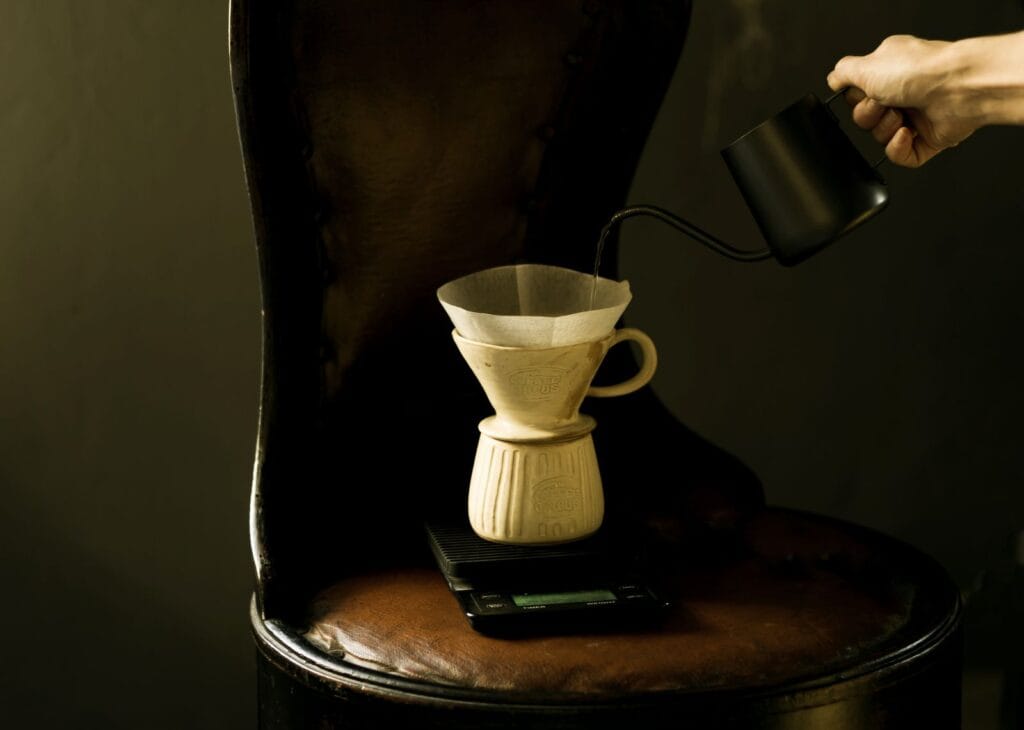
Learn the Why Behind a Great Cup
You don’t need a fancy setup to make great coffee at home. You need fresh beans, the right grind, a good ratio and a little know-how.
We love talking coffee with anyone who asks. These are the same answers we’d give you over a cup, written down so you can come back to them anytime.
All Our Guides
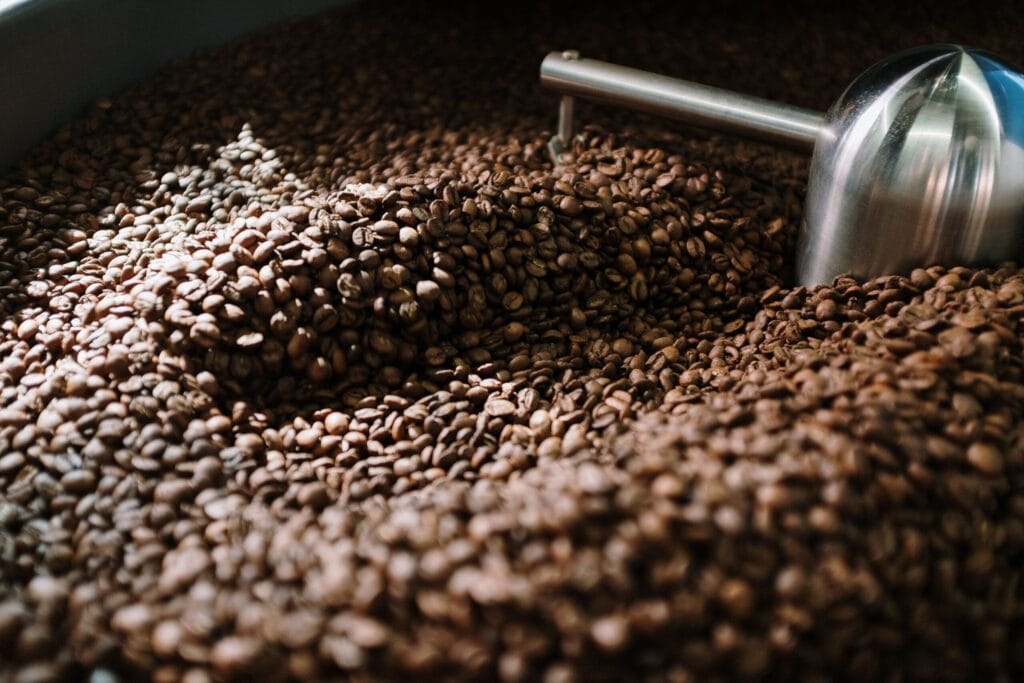
How Long Does Coffee Stay Fresh?
The real timeline for fresh coffee, and how to tell when a bag is past its best.
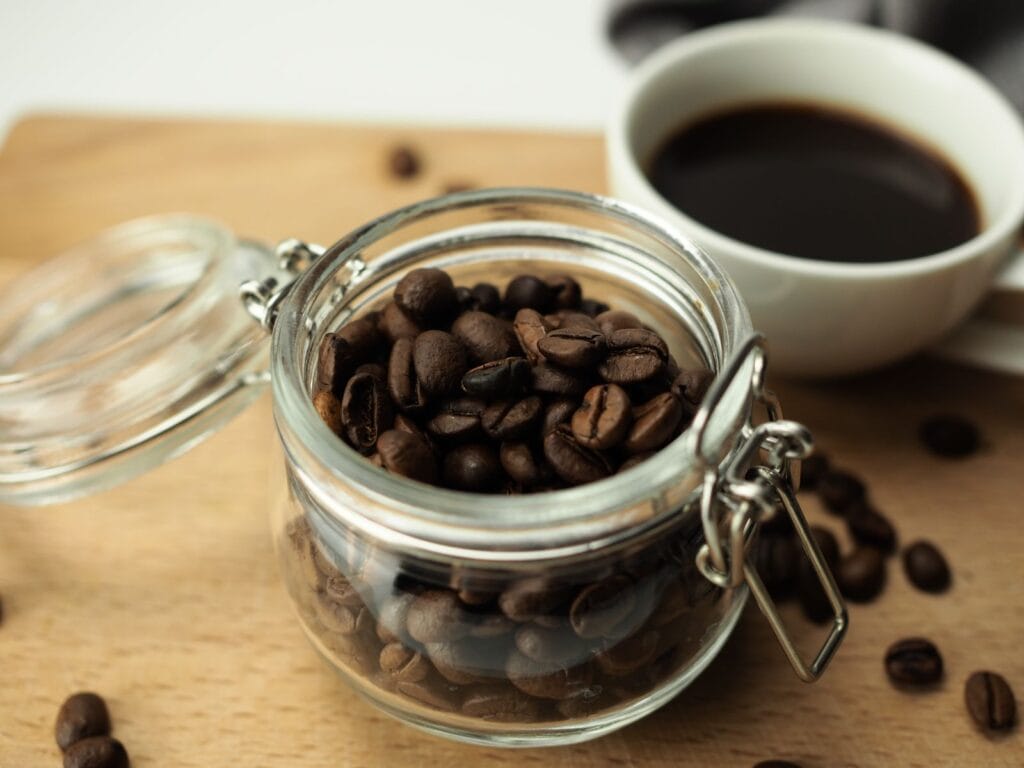
How to Store Coffee Beans
Airtight, dark and cool. Why the fridge is a bad idea and when freezing makes sense.
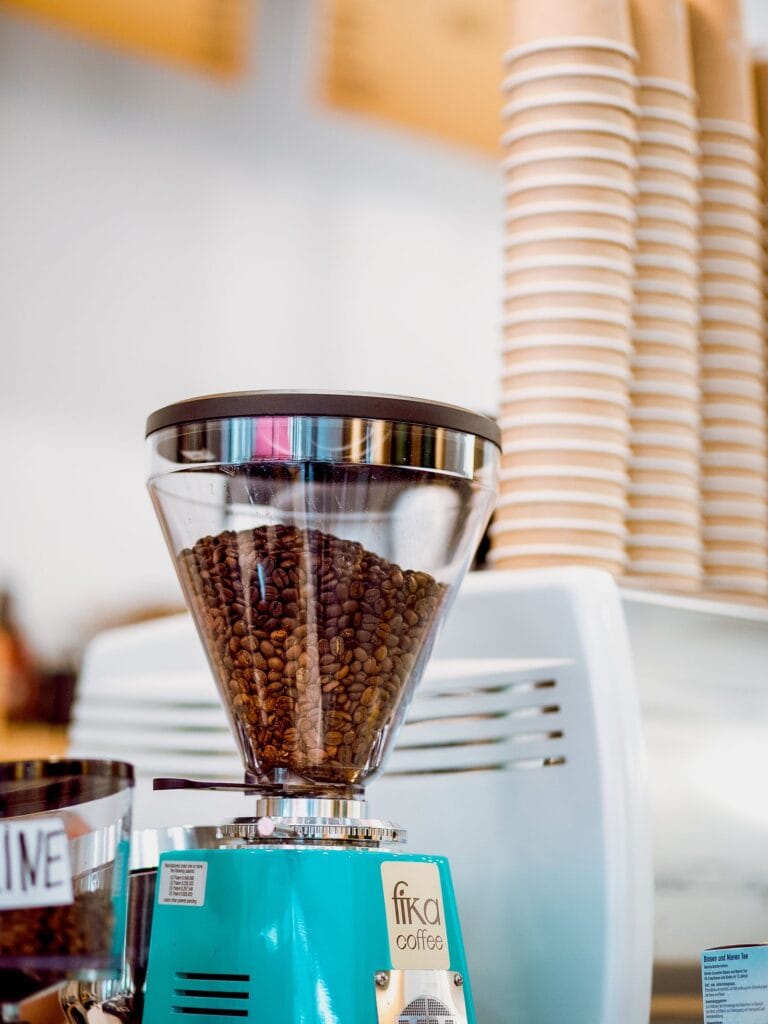
Coffee Grind Size Chart
From extra coarse to fine, match your grind to French press, drip, pour-over or espresso.
Coffee to Water Ratio
Start at 1:16 and adjust. A simple chart for one cup, a full pot and everything in between.
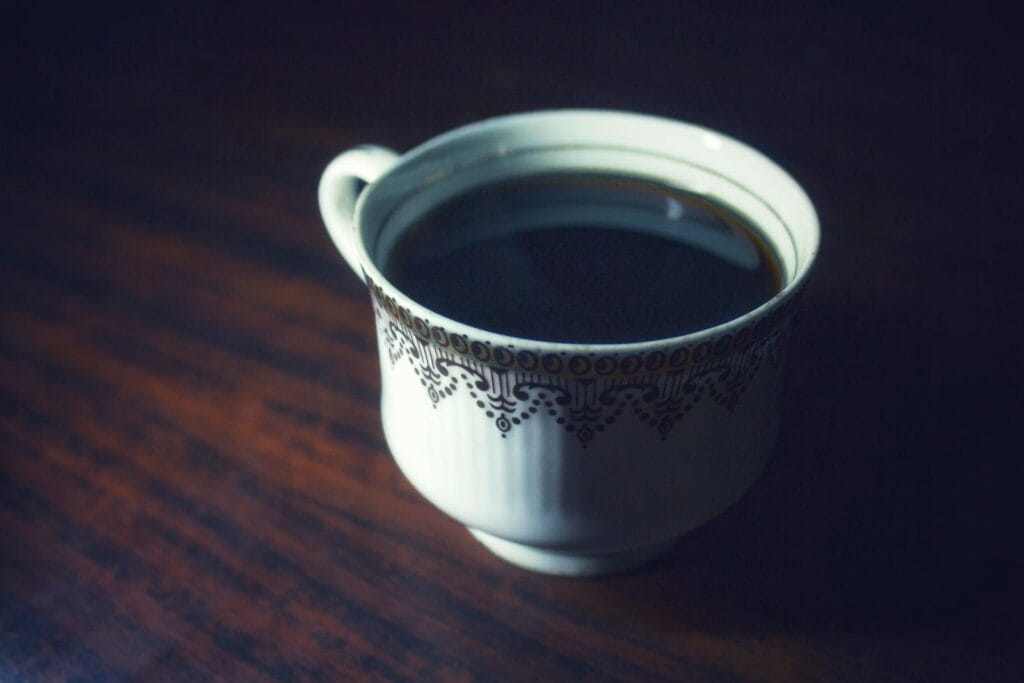
Why Does My Coffee Taste Bitter?
Over-extraction, stale beans and hot water are the usual suspects. Here’s how to fix each one.
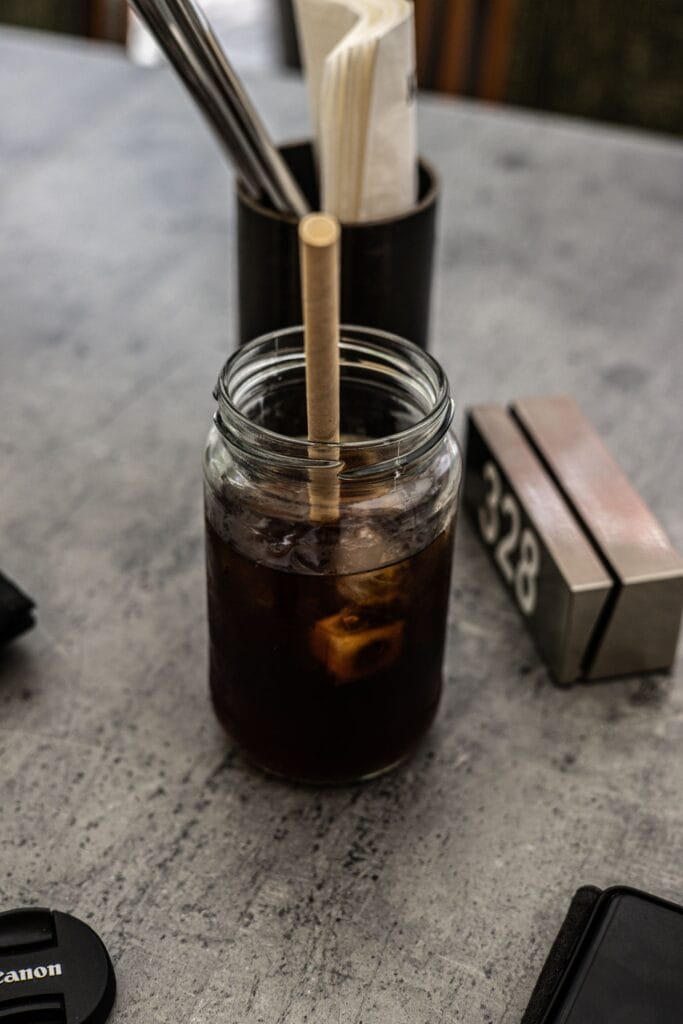
How to Make Cold Brew
Coarse grind, cold water, a long steep and a clean strain. Smooth coffee with no special gear.
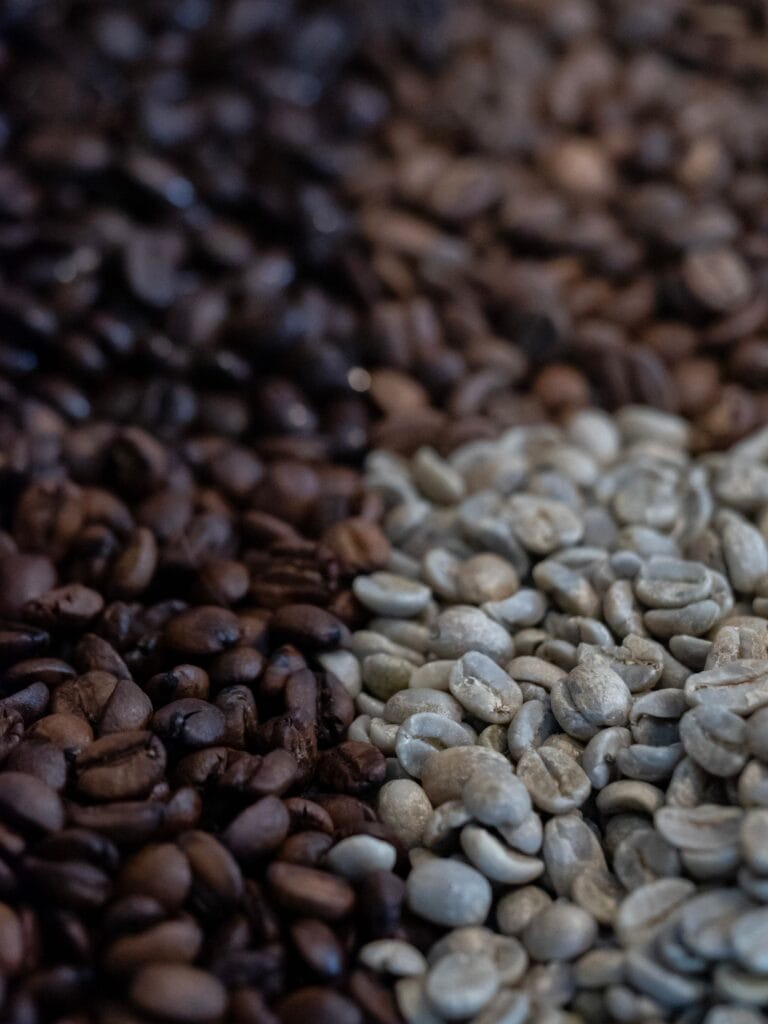
Light vs. Dark Roast
What changes in the roaster, how flavor and body shift, and the truth about caffeine.
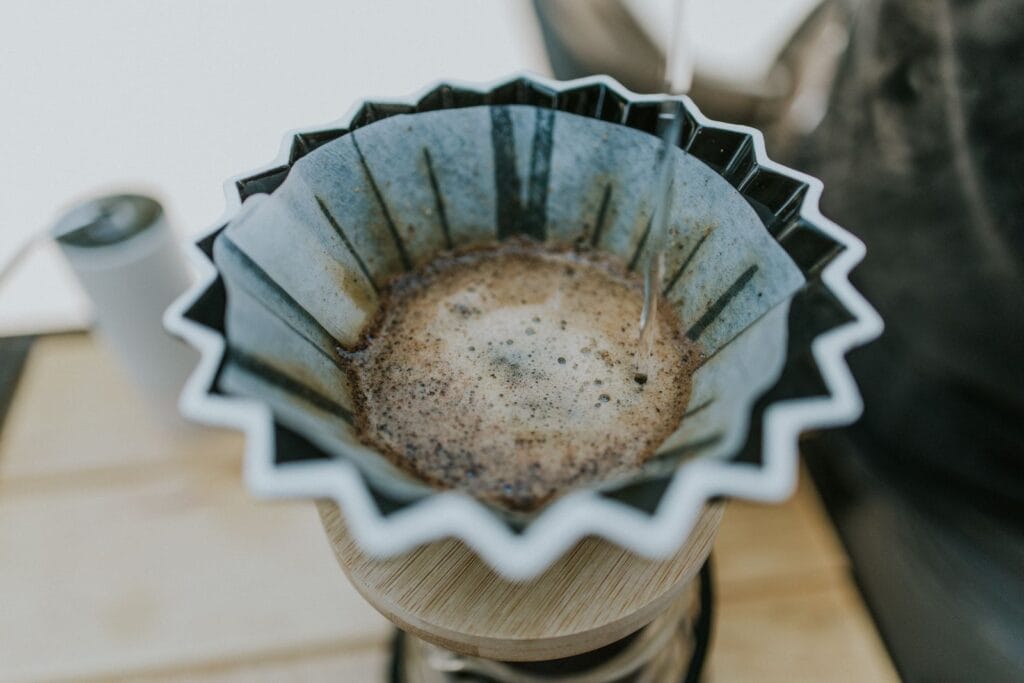
Coffee Degassing Explained
Why fresh coffee needs a short rest, what the bloom is telling you and why bags have valves.

Single Origin vs. Blend
One place’s character versus a balanced, dependable cup. How to choose what fits your taste.
A Learning Path for Better Coffee
New to brewing at home? Learn these five topics in order. Each one builds on the last, and together they solve most problems people bring to us.
Freshness
Everything starts with fresh beans. Learn how long coffee stays fresh and why the roast date matters more than the best-by date.
Storage
Keep that freshness once the bag is open. Our storage guide shows what container to use and where to keep it.
Ratio
Weigh your coffee and water. The coffee-to-water ratio guide takes the guesswork out of strength.
Troubleshooting
Taste, then adjust one thing at a time. Start with why coffee tastes bitter to learn how extraction works.
Brewing Basics Table
General starting points for common methods. Use water just off the boil, around 195–205°F, for hot brews, and adjust grind first if the cup tastes off.
| Method | Grind | Ratio (coffee:water) | Brew Time |
|---|---|---|---|
| French press | Coarse | 1:12 – 1:15 | 4 minutes |
| Automatic drip | Medium | 1:15 – 1:17 | 4–6 minutes |
| Pour-over (V60, Chemex) | Medium-fine (Chemex: medium-coarse) | 1:15 – 1:17 | 2.5–4 minutes |
| AeroPress | Fine to medium | 1:12 – 1:16 | 1–2 minutes |
| Espresso | Fine | 1:2 | 25–30 seconds |
| Moka pot | Fine to medium-fine | 1:7 – 1:10 | 4–5 minutes |
| Cold brew (concentrate) | Extra coarse | 1:5 – 1:8 | 12–18 hours |
New Guides in Your Inbox
Get new brewing guides, roast updates and Cars & Coffee news in your inbox. No spam, just coffee.
Coffee Guide FAQ
Start with freshness and grind. They fix more cups than any new gadget. Follow the learning path above in order.
It helps a lot. A basic kitchen scale lets you repeat a great cup every time, but you can learn with tablespoons first: about two level tablespoons per six ounces of water.
We add guides as questions come in from customers. Have a topic you want to learn about? Let us know.
Our FAQ page covers orders, shipping, subscriptions and more.
Put It to Work
Fresh coffee from the Ozarks. Free shipping on orders of $35 or more.